Ultimate Eco Friendly Packaging Solutions: Sustainable, Biodegradable & Carbon Neutral Options

Get a Free Quote

Our representative will contact you soon.
Email
Mobile
Name
Company Name
Message
0/1000

eco friendly packaging

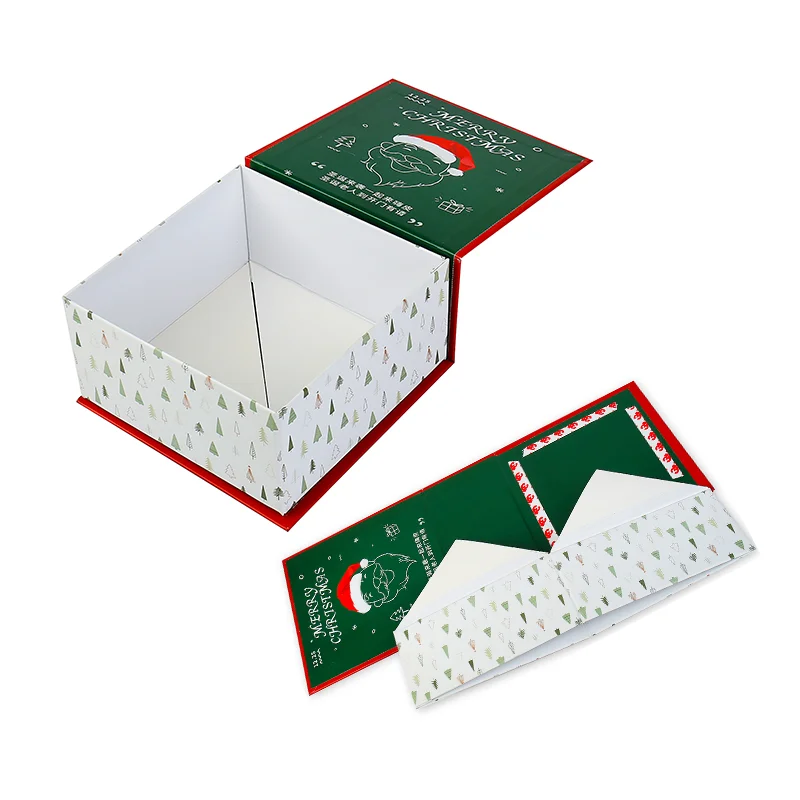
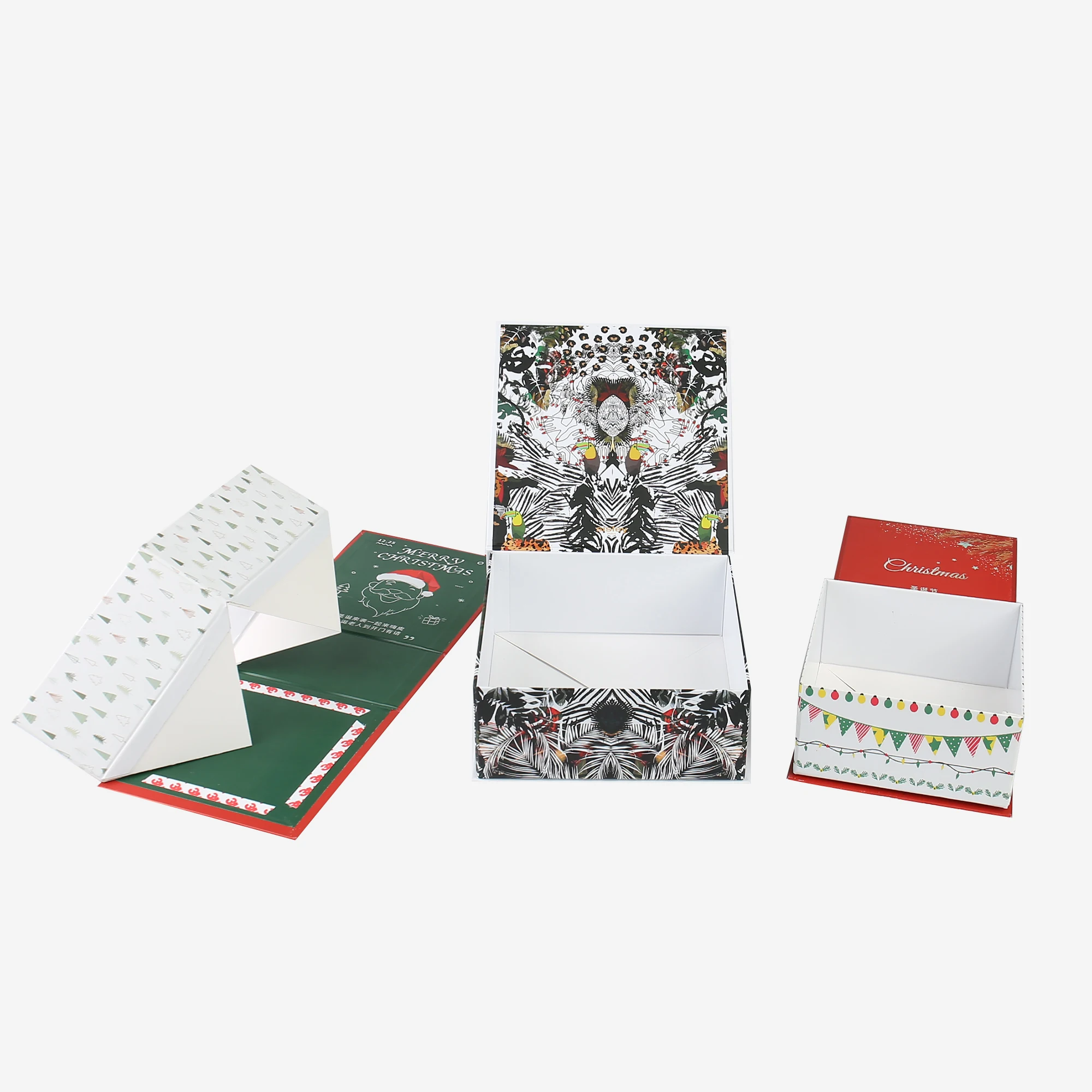
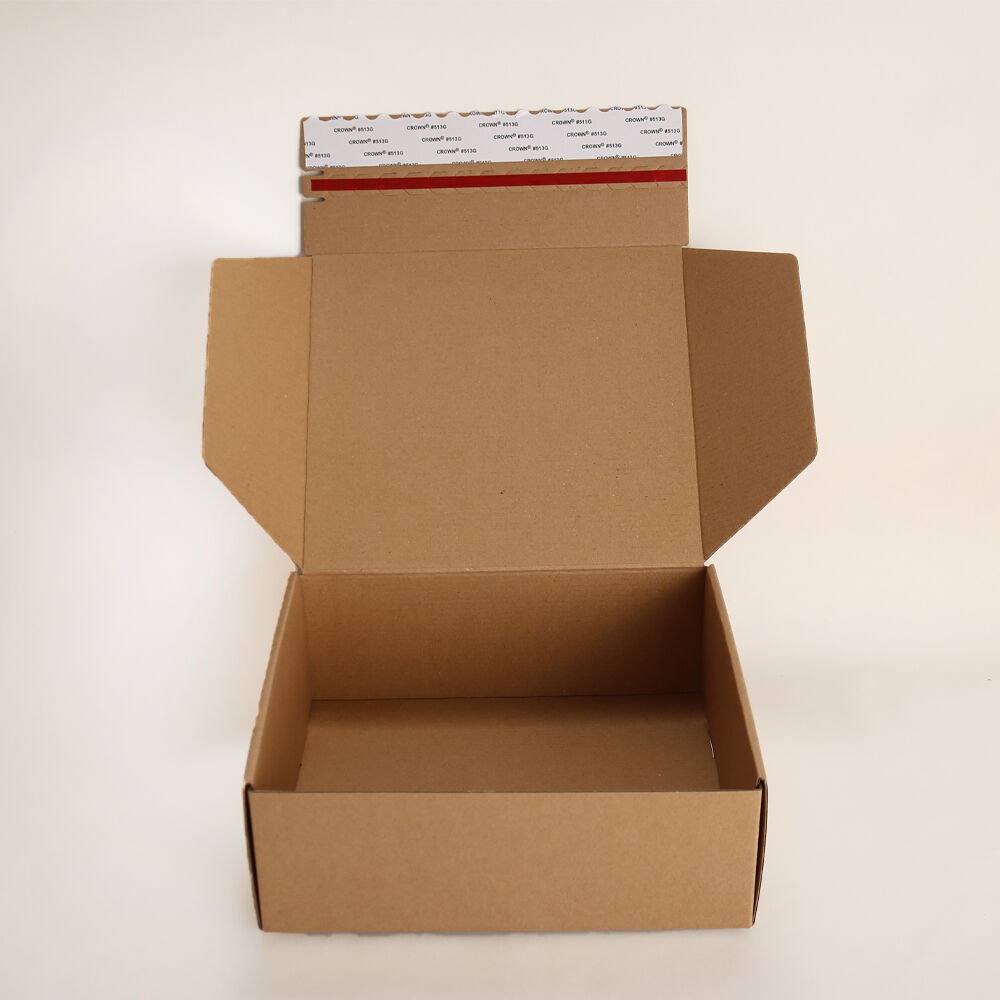
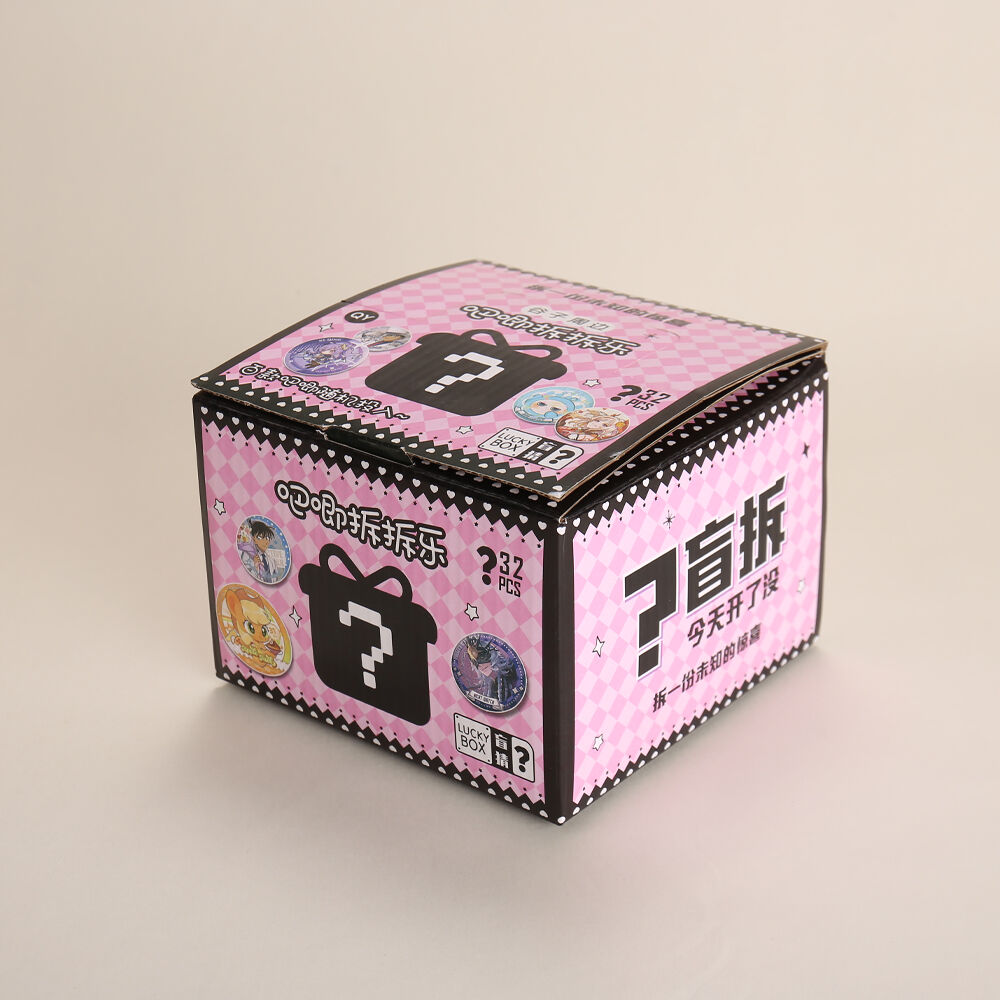
Eco friendly packaging represents a revolutionary approach to product protection and presentation that prioritizes environmental sustainability without compromising functionality. This innovative packaging solution encompasses materials and designs that minimize ecological impact through biodegradable components, recyclable elements, and reduced carbon footprints during production and disposal processes. Modern eco friendly packaging utilizes advanced materials such as plant-based plastics, recycled cardboard, mushroom-based foam alternatives, and compostable films that break down naturally in appropriate conditions. The main functions of eco friendly packaging extend beyond traditional protection to include brand differentiation, consumer appeal, and regulatory compliance with increasing environmental standards. These packaging solutions maintain product integrity during transportation, storage, and retail display while offering superior barrier properties against moisture, oxygen, and contaminants. Technological features include smart biodegradation timers, water-based adhesives, soy-based inks, and innovative barrier coatings derived from renewable resources. The manufacturing processes often incorporate energy-efficient production methods, solar-powered facilities, and closed-loop systems that minimize waste generation. Applications span across multiple industries including food and beverage, cosmetics, electronics, pharmaceuticals, and e-commerce shipping. Retail sectors particularly benefit from eco friendly packaging as consumer awareness and purchasing decisions increasingly favor environmentally responsible brands. The food industry leverages these solutions for fresh produce, packaged goods, and takeaway containers that decompose naturally without leaving harmful residues. Electronics manufacturers use protective foam alternatives and cardboard solutions that provide excellent shock absorption while maintaining sustainability credentials. Pharmaceutical companies implement eco friendly packaging for medication bottles, blister packs, and shipping containers that meet strict safety standards while reducing environmental impact. The versatility of these packaging solutions allows customization for specific product requirements while maintaining consistent environmental benefits across diverse applications.

New Product Recommendations

Eco friendly packaging delivers substantial cost savings through reduced material waste and streamlined production processes that eliminate unnecessary packaging layers and components. Companies experience lower disposal fees since biodegradable materials require less specialized waste management compared to traditional plastic alternatives. The lightweight nature of many eco friendly packaging materials reduces shipping costs significantly, allowing businesses to transport more products with lower fuel consumption and reduced carbon emissions. Energy efficiency during manufacturing translates to decreased utility expenses, as renewable materials often require less processing energy than conventional petroleum-based alternatives. Brand reputation enhancement occurs naturally when consumers associate products with environmental responsibility, leading to increased customer loyalty and premium pricing opportunities. Market research consistently demonstrates that consumers willingly pay higher prices for products using sustainable packaging, creating direct revenue benefits for forward-thinking companies. Regulatory compliance becomes simpler as governments worldwide implement stricter environmental regulations, making early adoption of eco friendly packaging a strategic advantage rather than a reactive necessity. Supply chain relationships improve when businesses demonstrate genuine commitment to sustainability, attracting environmentally conscious suppliers and partners who prioritize long-term ecological health. Employee satisfaction increases within organizations that champion environmental initiatives, resulting in better talent retention and reduced recruitment costs. Consumer health benefits emerge from reduced exposure to harmful chemicals commonly found in traditional packaging materials, creating safer products that appeal to health-conscious demographics. Waste reduction in landfills contributes to community environmental health while reducing municipal waste management costs that ultimately benefit local economies. Marketing opportunities expand through authentic sustainability messaging that resonates with environmentally aware consumers across multiple demographic segments. International market access improves as eco friendly packaging meets diverse global environmental standards, facilitating expansion into markets with strict sustainability requirements. Insurance premiums may decrease for companies demonstrating environmental responsibility, as risk assessment models increasingly factor sustainability practices into coverage calculations. Innovation acceleration occurs when companies invest in eco friendly packaging research, often leading to breakthrough technologies and competitive advantages in emerging markets.

Latest News

What is the difference between spot color and CMYK?

17

Sep

What is the difference between spot color and CMYK?

Introduction When customizing boxes, the supplier will ask whether we need spot color printing or CMYK printing. At this point, we might wonder: What is spot color printing? What is CMYK? Which one should I choose? What are the differences between th...
View More
Custom Corrugated Boxes: Tailoring Solutions for Every Industry

29

Oct

Custom Corrugated Boxes: Tailoring Solutions for Every Industry

Revolutionizing Packaging with Advanced Corrugated Solutions In today's dynamic business landscape, custom corrugated boxes have emerged as the cornerstone of modern packaging solutions. These versatile containers represent far more than simple cardb...
View More
How to Use Paper Gift Boxes for Brand Promotion

29

Oct

How to Use Paper Gift Boxes for Brand Promotion

Leveraging Custom Packaging for Memorable Brand Experiences In today's competitive business landscape, creating memorable brand experiences has become crucial for standing out. Paper gift boxes have emerged as a powerful tool for businesses seeking t...
View More
How Corrugated Boxes Revolutionize Storage Solutions?

03

Nov

How Corrugated Boxes Revolutionize Storage Solutions?

Introduction  With the rapid development of e-commerce, people are constantly seeking more flexible and cost-effective storage methods. Therefore, corrugated boxes have become widely used. They are not only simple transport containers but also p...
View More

Get a Free Quote

Our representative will contact you soon.
Email
Mobile
Name
Company Name
Message
0/1000

eco friendly packaging

Revolutionary Biodegradable Materials That Transform Waste Management

Revolutionary Biodegradable Materials That Transform Waste Management

The cornerstone of modern eco friendly packaging lies in breakthrough biodegradable materials that completely revolutionize traditional waste management approaches. These advanced materials undergo controlled decomposition processes that transform packaging waste into beneficial organic matter rather than persistent environmental pollutants. Unlike conventional plastics that persist in landfills for centuries, biodegradable packaging materials break down naturally within months under appropriate conditions, leaving zero harmful residues. The science behind these materials involves carefully engineered polymer chains that respond to specific environmental triggers such as moisture, temperature, and microbial activity. Manufacturing processes incorporate renewable feedstocks including corn starch, sugarcane bagasse, seaweed extracts, and agricultural waste that would otherwise contribute to environmental problems. These materials maintain exceptional durability during product lifecycles while activating decomposition mechanisms only when exposed to disposal conditions. Quality control measures ensure consistent biodegradation timelines that meet international composting standards and municipal waste management requirements. The versatility of biodegradable materials allows manufacturers to create packaging solutions with varying decomposition rates optimized for specific applications and disposal environments. Home composting compatibility enables consumers to process packaging waste in backyard compost systems, creating valuable soil amendments while reducing household waste streams. Industrial composting facilities process these materials efficiently alongside organic waste, contributing to large-scale circular economy initiatives that benefit entire communities. Marine environments benefit significantly from biodegradable packaging materials that dissolve harmlessly if accidentally released into waterways, protecting aquatic ecosystems from plastic pollution. Advanced barrier properties in biodegradable films provide excellent protection against oxygen, moisture, and contaminants while maintaining complete biodegradability. Research continues advancing these materials through nanotechnology integration, enhanced barrier performance, and accelerated decomposition mechanisms. Cost-effectiveness improves continuously as production scales increase and raw material availability expands through agricultural partnerships and waste stream utilization. Consumer education programs help maximize the environmental benefits of biodegradable packaging by promoting proper disposal practices and composting awareness throughout communities worldwide.
Smart Recyclable Design That Maximizes Resource Recovery

Smart Recyclable Design That Maximizes Resource Recovery

Smart recyclable design in eco friendly packaging represents a sophisticated approach to material selection and structural engineering that maximizes resource recovery while minimizing contamination in recycling streams. This innovative design philosophy considers the entire packaging lifecycle from initial material sourcing through multiple recycling iterations, ensuring materials maintain value and utility across repeated processing cycles. Advanced sorting technologies in modern recycling facilities work seamlessly with smart packaging designs that incorporate specific material markers, color coding systems, and structural features that facilitate automated separation and processing. The engineering process involves careful consideration of adhesive types, ink formulations, and barrier coatings that remain compatible with recycling equipment while maintaining product protection requirements. Material purity becomes paramount in smart recyclable design, with manufacturers selecting single-polymer systems or easily separable multi-material constructions that prevent cross-contamination during recycling processes. Consumer convenience features include clear labeling systems, easy-open designs, and intuitive separation instructions that encourage proper recycling behavior and maximize material recovery rates. Closed-loop recycling systems benefit from smart packaging designs that maintain material properties through multiple processing cycles, creating sustainable supply chains that reduce dependence on virgin materials. Quality standards ensure recycled content maintains performance characteristics equivalent to original materials, enabling widespread adoption across diverse packaging applications without compromising functionality. Innovation in smart recyclable design includes water-soluble adhesives, heat-removable labels, and modular construction techniques that facilitate complete material separation during recycling processes. Digital integration through QR codes and smartphone apps provides consumers with real-time recycling guidance, facility locators, and environmental impact tracking that encourages sustained engagement with circular economy principles. Economic benefits emerge from reduced raw material costs as recycling infrastructure expands and recovered materials become readily available for new packaging production. Partnerships between packaging manufacturers and recycling facilities drive continuous improvement in design compatibility and processing efficiency, creating mutually beneficial relationships that strengthen entire recycling ecosystems. Research initiatives focus on developing next-generation materials with enhanced recyclability characteristics, including chemical recycling compatibility and infinite-loop processing capabilities that eliminate quality degradation over time.
Carbon Neutral Production That Eliminates Environmental Impact

Carbon Neutral Production That Eliminates Environmental Impact

Carbon neutral production in eco friendly packaging manufacturing represents the ultimate achievement in sustainable industrial processes, completely eliminating net greenhouse gas emissions through innovative energy systems, material choices, and operational practices. This comprehensive approach encompasses every aspect of packaging production from raw material extraction through finished product delivery, ensuring zero net environmental impact while maintaining high-quality standards and competitive pricing. Renewable energy integration forms the foundation of carbon neutral production, with solar panels, wind turbines, and hydroelectric systems powering manufacturing facilities that previously relied on fossil fuel energy sources. Energy storage technologies including advanced battery systems and compressed air storage enable consistent production schedules regardless of renewable energy availability fluctuations. Manufacturing process optimization reduces energy consumption through efficient equipment, waste heat recovery systems, and automated production controls that minimize resource usage while maximizing output quality. Raw material selection prioritizes locally sourced, renewable feedstocks that require minimal transportation and processing energy, reducing supply chain emissions while supporting regional economies and agricultural communities. Carbon capture technologies installed in production facilities actively remove greenhouse gases from atmospheric emissions, often exceeding the carbon footprint of manufacturing operations to create net-negative environmental impact. Life cycle assessments guide decision-making processes by quantifying environmental impacts across all production stages, enabling continuous improvement and optimization of carbon reduction strategies. Waste minimization programs eliminate material waste through closed-loop systems, byproduct utilization, and comprehensive recycling programs that convert production waste into valuable inputs for other manufacturing processes. Employee training programs ensure workforce engagement with sustainability initiatives, creating company-wide commitment to environmental responsibility that extends beyond formal policies and procedures. Third-party certification programs verify carbon neutral claims through independent auditing, transparent reporting, and continuous monitoring systems that maintain accountability and credibility with environmentally conscious consumers. Transportation optimization reduces delivery emissions through efficient routing, consolidated shipments, and partnerships with carbon-neutral logistics providers who share commitment to environmental responsibility. Innovation investments focus on developing breakthrough technologies that push beyond carbon neutrality toward regenerative manufacturing processes that actively improve environmental conditions through production activities.

Get a Free Quote

Our representative will contact you soon.
Email
Mobile
Name
Company Name
Message
0/1000