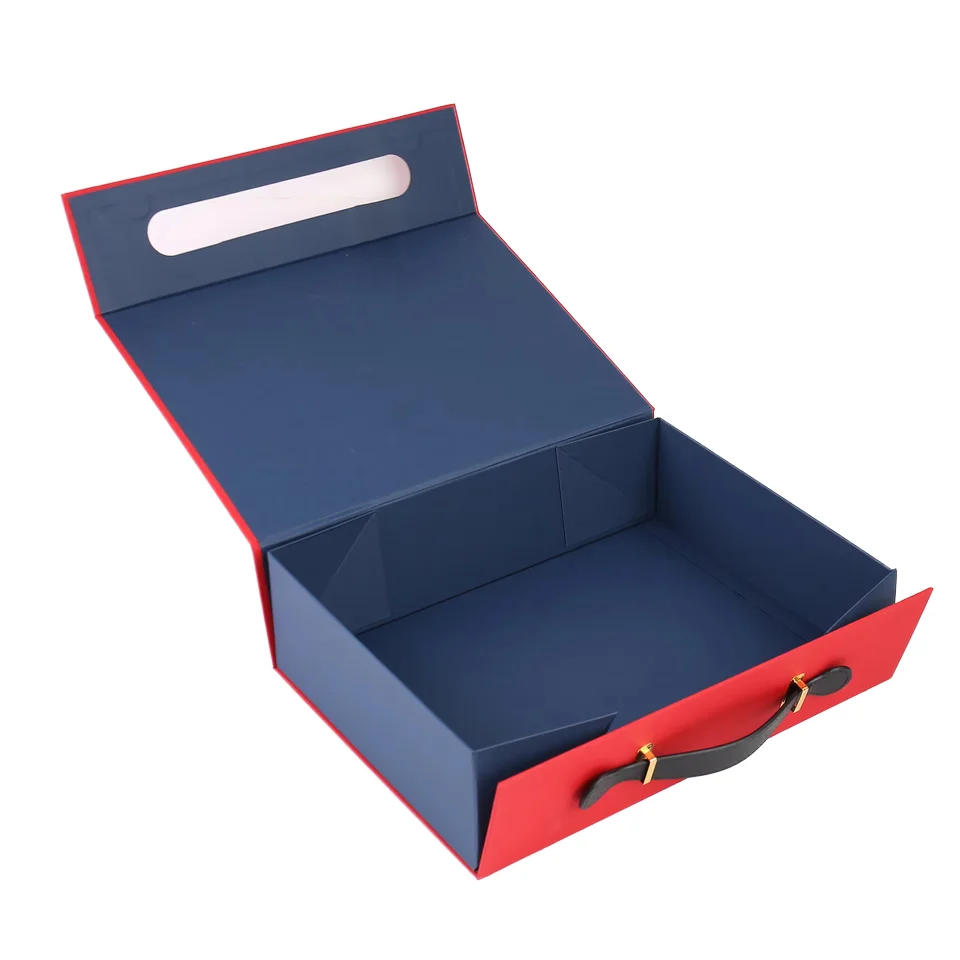
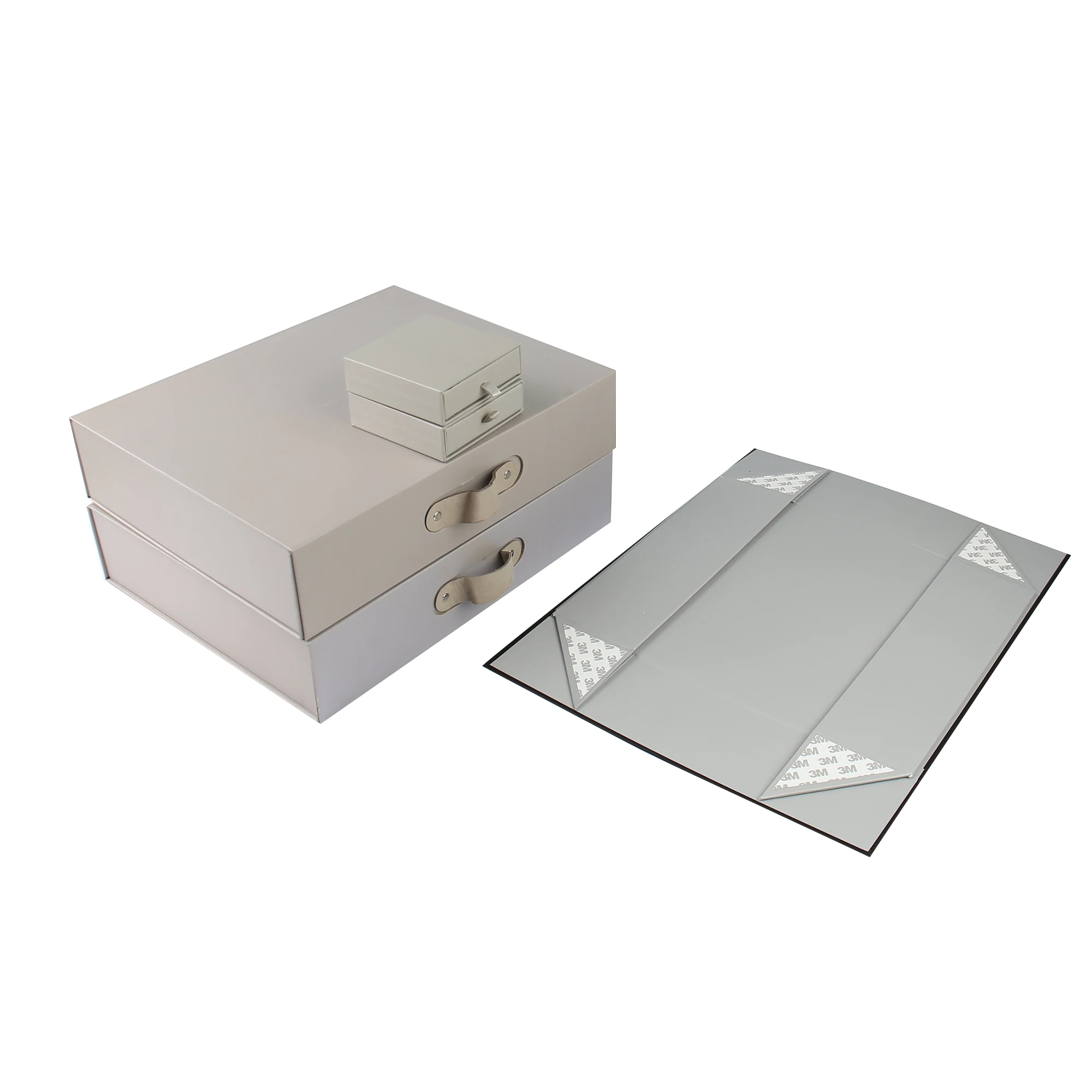
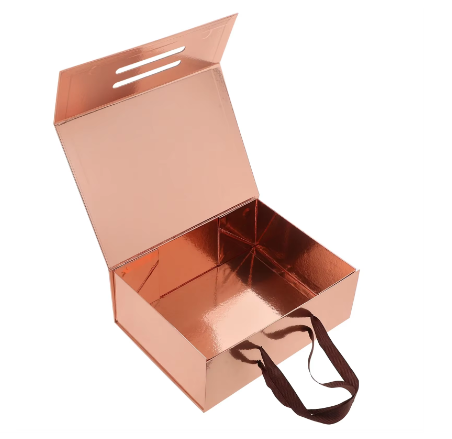
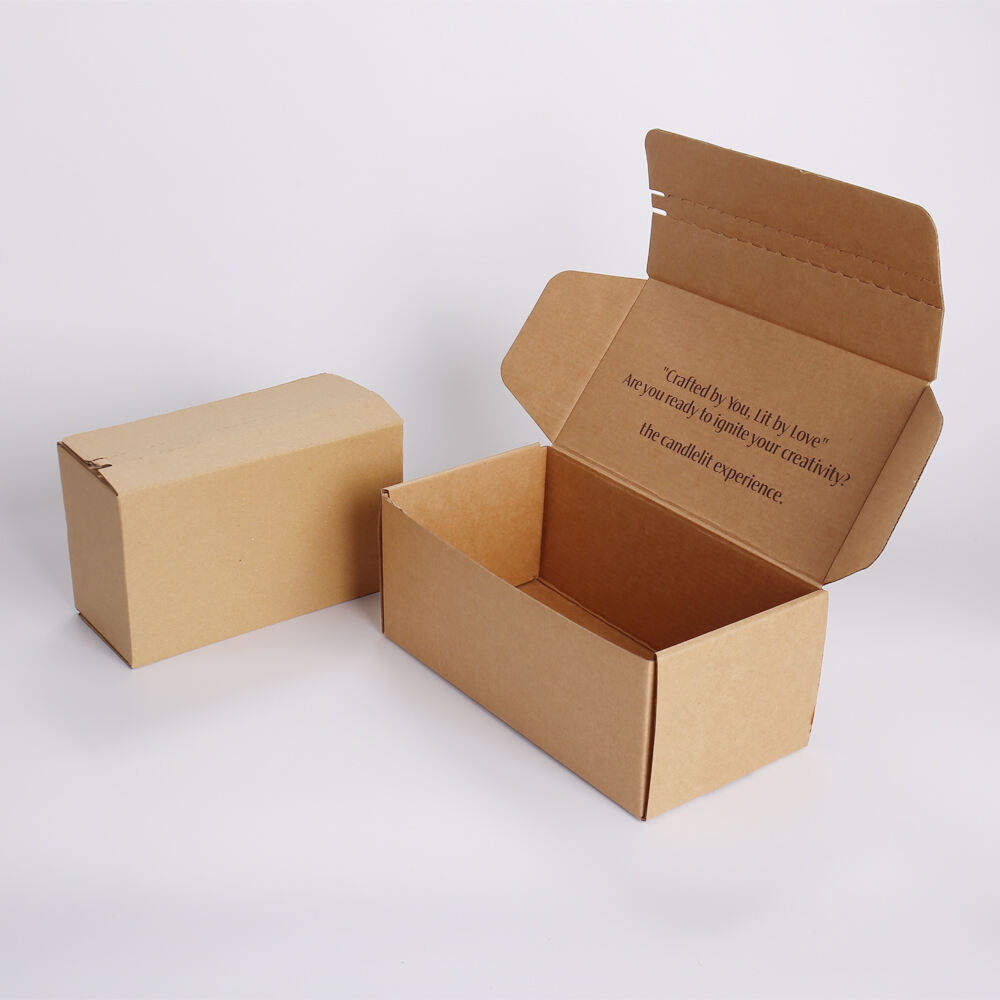
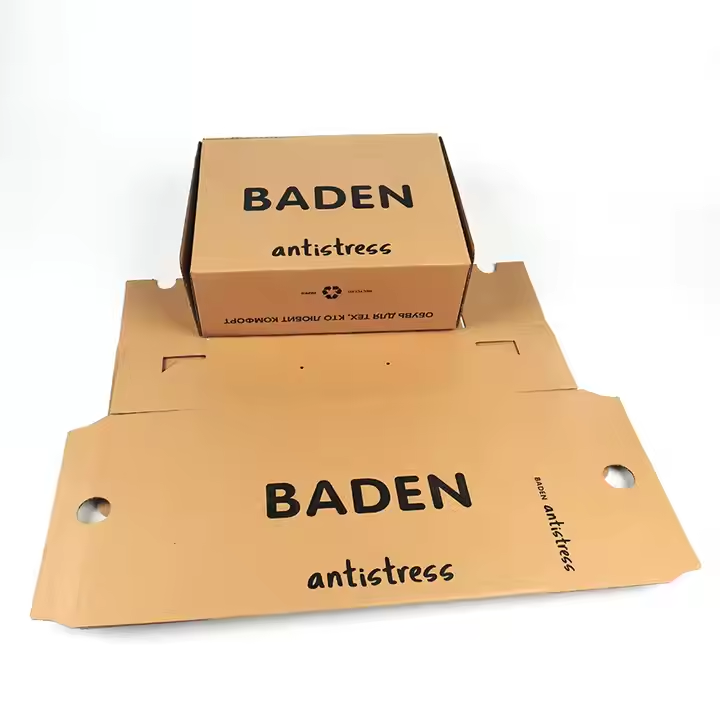
food box
A food box represents a revolutionary storage and preservation system designed to maintain freshness, extend shelf life, and organize culinary ingredients efficiently. This innovative storage solution combines advanced materials science with practical design elements to create an optimal environment for various food types. Modern food box systems utilize specialized compartments, temperature regulation features, and moisture control mechanisms to preserve nutritional value while preventing contamination and spoilage. The primary functions of a food box include creating airtight seals that prevent oxygen exposure, maintaining consistent internal temperatures, and providing organized storage compartments for different food categories. Technological features encompass vacuum-sealing capabilities, antimicrobial coatings, and smart sensors that monitor internal conditions and alert users to potential issues. Many contemporary food box designs incorporate translucent materials that allow visual inspection without compromising seal integrity, while others feature modular components that adapt to various storage needs. Applications span residential kitchens, commercial food service operations, outdoor activities, and emergency preparedness scenarios. Professional chefs utilize food box systems to maintain ingredient quality during preparation stages, while families employ them for meal planning, leftover storage, and bulk purchasing management. The versatility of food box technology extends to specialized applications including pharmaceutical storage, laboratory sample preservation, and industrial food processing environments. Advanced models integrate IoT connectivity, enabling remote monitoring through smartphone applications and providing real-time data about storage conditions. Materials used in food box construction typically include BPA-free plastics, stainless steel components, and specialized gaskets that ensure long-term durability and safety. The engineering behind effective food box design considers factors such as thermal conductivity, pressure distribution, and chemical resistance to various food acids and oils, ensuring comprehensive protection for stored contents while maintaining user-friendly operation.
 EN
EN
 AR
AR
 BG
BG
 DA
DA
 NL
NL
 FI
FI
 FR
FR
 DE
DE
 IT
IT
 JA
JA
 KO
KO
 NO
NO
 PT
PT
 RU
RU
 ES
ES
 IW
IW
 TH
TH
 MS
MS
 HY
HY