EN
EN
 AR
AR
 BG
BG
 DA
DA
 NL
NL
 FI
FI
 FR
FR
 DE
DE
 IT
IT
 JA
JA
 KO
KO
 NO
NO
 PT
PT
 RU
RU
 ES
ES
 IW
IW
 TH
TH
 MS
MS
 HY
HY


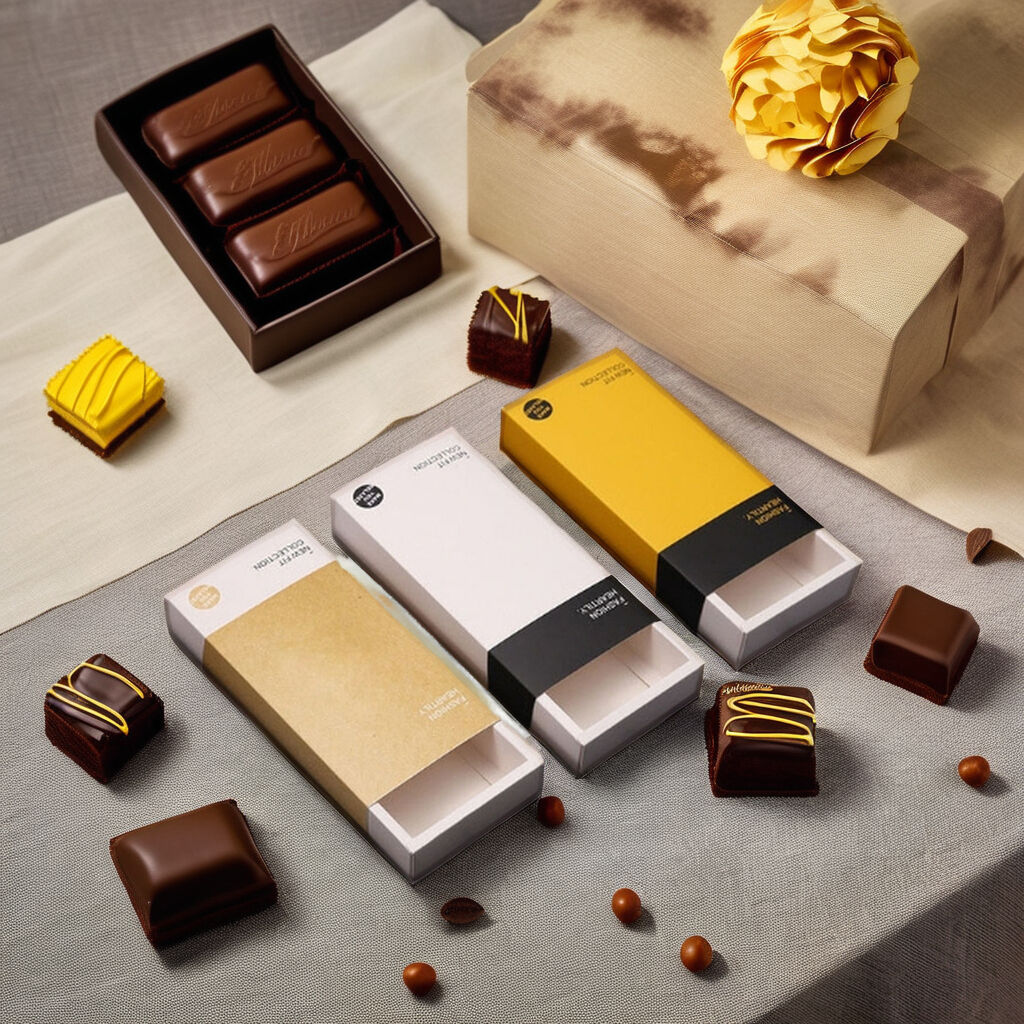
Изборът на перфектния кутия за шоколад изисква внимателно обмисляне на различни фактори, които влияят както върху представянето, така и върху функционалността. Независимо дали закупувате шоколад за специален случай или търсите премиум опаковка за кондитерския си бизнес, разбирането на ключовите елементи, които правят една изключителна кутия за шоколад, ще гарантира, че инвестициите ви окажат максимален ефект. Правилната кутия за шоколад не само предпазва нежните сладкиши, но също така подобрява общото усещане при подаряването чрез продължителен дизайн и качествено изпълнение.
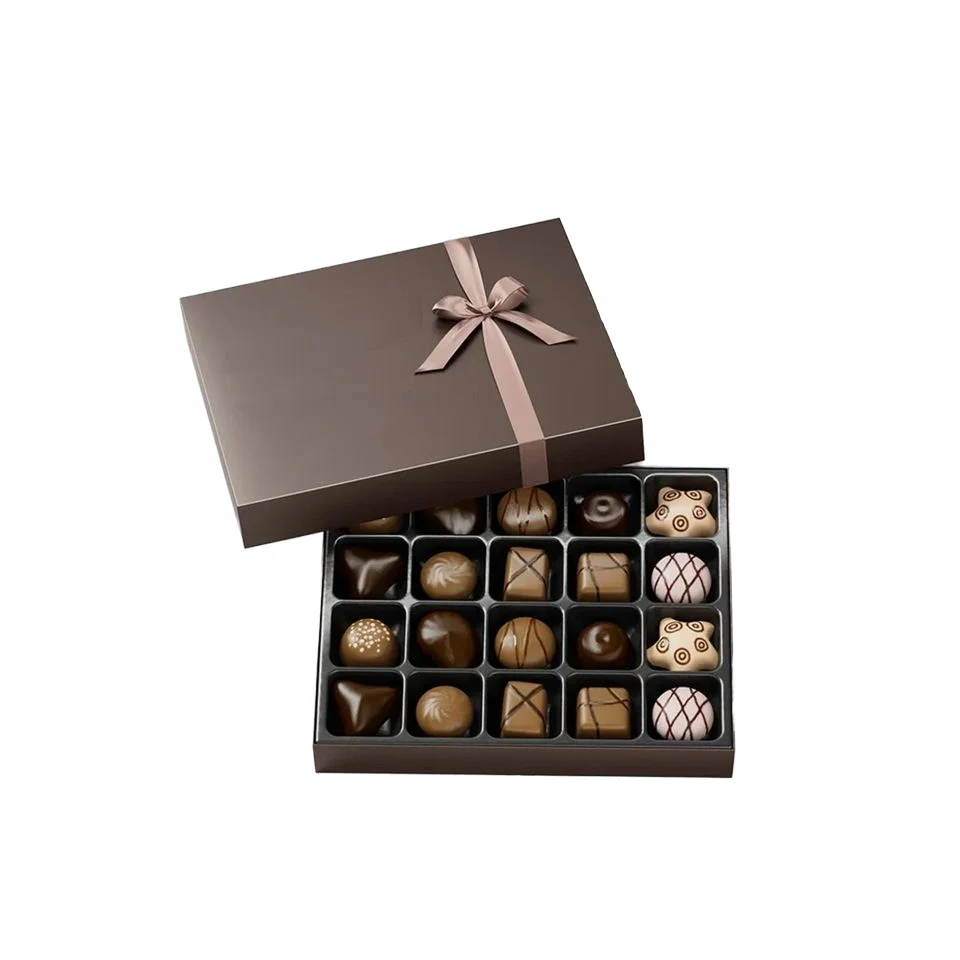
Основни елементи на дизайна за премиум опаковка на шоколад
Избор на материал и стандарти за качество
Основата на всеки изключителен шоколадов кутия започва с премиерен подбор на материали. Висококачествен картон и екологично чиста хартия осигуряват необходимата структурна цялост за защита на нежните шоколади по време на транспорт и съхранение. Премиум шоколадовите кутии обикновено използват дебел, издръжлив картон, който устои на влага и запазва формата си при различни външни условия. Изборът на материал директно влияе на възприеманата стойност и професионалния вид на крайния продукт.
Съображенията за устойчивост стават все по-важни в съвременния дизайн на опаковки. Екологичните материали не само въздействат на потребителите с висока екологична осведоменост, но също така показват корпоративната отговорност. Картонът за рециклиране и биоразградимите хартиени опции предлагат отлична алтернатива на традиционните опаковъчни материали, като същевременно запазват луксозния визуален вид, очакван при представянето на премиум шоколад.
Цветови схеми и визуална привлекателност
Стратегическият подбор на цвят играе ключова роля за ефективността на дизайна на кутия за шоколад. Класическите цветови комбинации като тъмно бордо с златни акценти, елегантно черно със сребърни детайли или изискани кафяви тонове веднага създават асоциации с лукс и качество. Визуалното впечатление от кутията за шоколад трябва да отговаря на идентичността на вашия бранд, като в същото време се насочва към предпочитанията и очакванията на целевата демографска група.
Психологията на цвета значително влияе на потребителското възприятие и решенията за покупка. Топлите цветове като наситени кафяви и златисти нюанси предизвикват усещания за комфорт и наслада, докато по-хладните тонове като тъмносиньо или лилаво изразяват изисканост и премиум качество. Разбирането на тези психологически стимули помага за създаване на кутии за шоколад, които емоционално резонират с получателите и подобряват общото усещане при подаряването.
Конструктивни характеристики, които подобряват функционалността
Опции за конфигурация на дъното и капака
Конструкцията с дъно и капак формира основата на ефективния кутия за шоколад функционалност. Тази конфигурация осигурява сигурно затваряне, като същевременно позволява лесен достъп до съдържанието. Правилно проектираните системи за дъно и капак гарантират защита на шоколадите по време на транспортиране и обработване, като създават елегантен опит от отваряне на опаковката, който поражда очакване и вълнение.
Точността при производствените допуски осигурява плавно отваряне и затваряне, което увеличава удовлетворението на потребителя. Добре прилегащите капаци създават удовлетворяващ тактилен отклик при отваряне, което допринася за премиум усещането, свързано с висококачественото представяне на шоколади. Структурната цялост на компонентите за дъно и капак има пряко влияние върху дълголетието и възможността за повторна употреба на опаковката.
Системи за вътрешни вложки и организация
Системите за интериорни вмъквания осигуряват задължителна защита и организация за отделни шоколадови парчета. Индивидуално моделираните вмъквания предотвратяват движението по време на транспортиране, като в същото време представят всяко шоколадово парче в естетична подредба. Тези вмъквания могат да бъдат проектирани за различни форми и размери на шоколад, осигурявайки гъвкавост за различни продуктови линии и сезонни предложения.
Стратегическият дизайн на вмъкванията максимизира визуалния ефект, запазвайки при това практическа функционалност. Добре планираните отсеки създават организирани презентации, които подчертават изработката и разнообразието от шоколадови продукти. Материалът на вмъкването трябва да допълва общия визуален стил на опаковката, като осигурява достатъчно амортизиране и защита за нежните сладкиши.
Опции за персонализация за диференциация на марката
Интегриране на лого и възможности за брандиране
Интегрирането на персонализиран лого превръща стандартните дизайни на шоколадови кутии в мощни инструменти за брандиране. Професионално разположение на логото върху капака, вътрешни панели или елементи от панделка създава запомнящи се брандови впечатления, които продължават далеч след първоначалната покупка. Стратегическото позициониране на логото осигурява видимост, като същевременно запазва елегантността и визуалния баланс на дизайна.
В елементите на дизайна на шоколадовите кутии съществуват множество възможности за брандиране. Лога с релефен печат създават тактилни брандови преживявания, докато приложенията с фолиово клеймо добавят метални люксозни акценти. Елементите за вътрешно брандиране изненадват и радват получателите при отваряне на опаковката, създавайки допълнителни точки за укрепване и разпознаване на бранда.
Декоративни елементи и завършващи детайли
Панделките и декоративните елементи повдигат поднасянето на шоколадовите кутии от просто опаковане до подходящи за подарък презентации. Качествени материали за панделки и професионално изработени панделки показват внимание към детайла и ангажимент към високо качество. Тези завършващи докосвания оказват незабавно визуално впечатление и предполагат премиум класа, преди получателят изобщо да е отворил опаковката.
Специализирани техники за довършване, като тиснене, обратно тиснене или точково UV покритие, добавят изискана текстура и визуален интерес към повърхността на шоколадовите кутии. Тези премиум обработки създават тактилни преживявания, които усилват възприятието за качество и оправдават по-високи цени. Внимателният подбор и прилагане на декоративни елементи трябва да подобри общия дизайнерски вид, а не да го претовари.
Размерни разисквания за различни приложения
Поднасяне на индивидуални порции
Малките конфигурации на шоколадови кутии отговарят на нуждите от индивидуално подаряване и възможностите за импулсивни покупки. Компактните дизайни максимизират преносимостта, като запазват защитната функционалност за единични порции или малки асортименти. Тези по-малки формати често включват опростени методи на изработка, които намаляват производствените разходи, без да компрометират визуалната привлекателност.
Кутиите за индивидуално представяне изискват внимателно управление на пропорциите, за да не изглеждат прекалено големи или незабележителни. Съотношението между количеството шоколад и размера на опаковката трябва да създава усещане за стойност, като осигурява достатъчна защита. Ефективното използване на пространството в по-малките формати демонстрира изтънчен дизайн и производствен опит.
Големи формати и решения за корпоративно подаряване
Големите шоколадови кутии са проектирани да вместят обширни асортименти и отговарят на нуждите при корпоративните подаръци. Тези по-големи формати изискват подобрена структурна инженерия, за да запазят цялостта си при по-голяма тежест и съдържание. Конструкцията от професионално ниво осигурява надеждна производителност по време на транспортиране и работа с по-големите пакети.
Корпоративните приложения често изискват възможности за персонализация, които отразяват бранда и съобщението на компанията. Шоколадовите кутии в голям формат предлагат обширна повърхност за детайли графики, рекламни съобщения и изтънчени елементи на брандиране. Често тези опаковки служат като сувенири, които продължават да увеличават видимостта на бранда и дълго след като шоколадът е изяден.
Контрол на качеството и стандарти за производство
Съвършенство в процеса на производство
Производственото изкуство осигурява постоянство на качеството при всички серийни производствени цикли на шоколадови кутии. Стандартизираните производствени процеси минимизират отклоненията, като запазват тесни допуски за прилягане и отделка. Мерките за контрол на качеството по целия производствен цикъл идентифицират и отстраняват потенциални проблеми, преди продуктите да достигнат до клиентите.
Съвременни производствени техники позволяват прецизна персонализация, като същевременно осигуряват икономическа ефективност за различни обеми на поръчки. Модерните производствени съоръжения използват компютърно контролирани режещи и сгъващи машини, за да се гарантират точност и възпроизводимост. Тези технологични възможности подпомагат както малки персонализирани поръчки, така и големи търговски производствени нужди.
Изпитване и стандарти за издръжливост
Комплексните протоколи за тестване проверяват производителността на кутии за шоколад при различни условия и натоварващи фактори. Тестовете за падане, компресионно тестване и оценка на въздействието на околната среда гарантират, че опаковките защитават съдържанието по целия разпространителен път. Тези процедури за тестване потвърждават решенията по проекта и качеството на производството преди излизането на пазара.
Стандартите за издръжливост отговарят както на непосредствените нужди от защита, така и на изискванията за дългосрочно съхранение. Кутиите за шоколад трябва да запазват структурната си цялост по време на продължителния срок на годност, като едновременно с това запазват естетическия си вид. Тестването на стабилността на материала осигурява цветовете, покритията и структурните елементи да остават стабилни при нормални условия за съхранение и обработка.
ЧЗВ
Кои материали са най-добри за изработване на кутии за шоколад
Оптималните материали за производство на кутии за шоколад включват картон с високо качество, екологични хартиени основи и безопасни за храната вътрешни покрития. Тези материали осигуряват отлична устойчивост срещу влага, структурна стабилност и екологична устойчивост. Премиум вариантите могат да включват специални хартии с подобрена текстура или метални финиши, които създават луксозна визия, като запазват защитната функционалност.
Как да определя подходящия размер за моята колекция шоколади
Правилното оразмеряване зависи от количеството шоколади, размерите на отделните парчета и желания стил на поднасяне. Измерете най-големите парчета шоколад и умножете по общото количество, за да определите минималните изисквания за вътрешен обем. Добавете още приблизително 20–30% допълнително пространство за защитни вложки и визуално разстояние. Обърнете внимание на общите пропорции, за да се осигури окончателният пакет да не изглежда нито прекалено голям, нито тясен.
Какви опции за персонализация са налични за малки поръчки
Много производители предлагат персонализация чрез дигитално печатане за по-малки поръчки, включително персонализирани лога, цветове и графики. Персонализация на панделки, модификации на вътрешни вмъквания и специални довършителни обработки често са налични при умерени изисквания за минимална поръчка. Някои доставчици предлагат системи за персонализация, базирани на шаблони, които намаляват разходите за настройка, като запазват професионален вид и възможности за отличаване на марката.
Как да гарантирам, че дизайна на кутията за шоколад ще се откроява в търговски среди
Успешните дизайни на кутии за шоколад за рознична търговия комбинират отличителни цветови схеми, премиум материали и стратегически елементи на брандирането. Сфокусирайте се върху създаването на силно присъствие на рафта чрез контраст с конкурентите, като запазвате последователността на марката. Помислете за сезонни адаптации, дизайн в ограничено издание или интерактивни елементи на опаковката, които насърчават ангажимента на клиентите. Качественото изграждане и вниманието към детайла ще отличат вашите продукти от масовите алтернативи.