EN
EN
 AR
AR
 BG
BG
 DA
DA
 NL
NL
 FI
FI
 FR
FR
 DE
DE
 IT
IT
 JA
JA
 KO
KO
 NO
NO
 PT
PT
 RU
RU
 ES
ES
 IW
IW
 TH
TH
 MS
MS
 HY
HY


As more and more people pay attention to the quality of packaging, exquisite packaging not only enhances the product's value but also conveys the brand's philosophy. Many people believe that the appearance of high-end packaging is paramount, but tactile experience is just as important as visual experience. Embossing and debossing are two surface treatments for packaging that enhance the tactile experience.
Embossing involves pressing logos, text, or patterns onto the back of the material surface to create a raised effect, resulting in a three-dimensional visual appeal and tactile prominence. This makes the raised parts more prominent and feels more refined. Embossing can also be combined with hot stamping techniques to create a embossed gold foil effect. This technique is ideal for high-end gift boxes or cosmetic packaging, highlighting details and adding a touch of luxury.
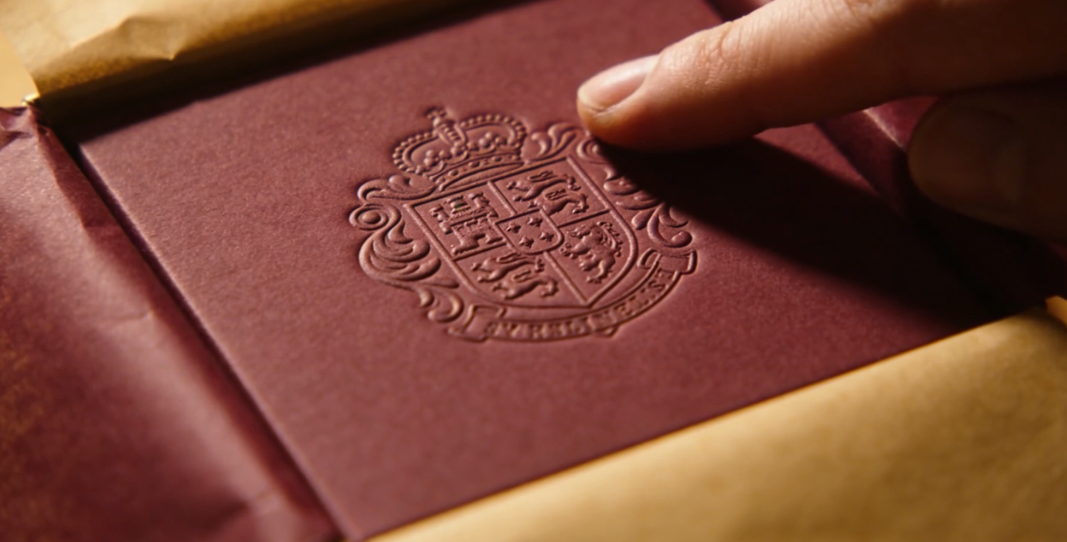
Debossing, on the other hand, involves pressing a mold directly into the material surface to create a recessed effect. This adds a subtle and elegant visual and tactile feel, making it perfect for brands emphasizing a minimalist style. Unlike the striking effect of embossing, debossing offers a more delicate and subtle texture. Combined with simple designs using basic materials, it can enhance the understated elegance of packaging. It's a commonly used technique in minimalist brands and eco-friendly packaging.
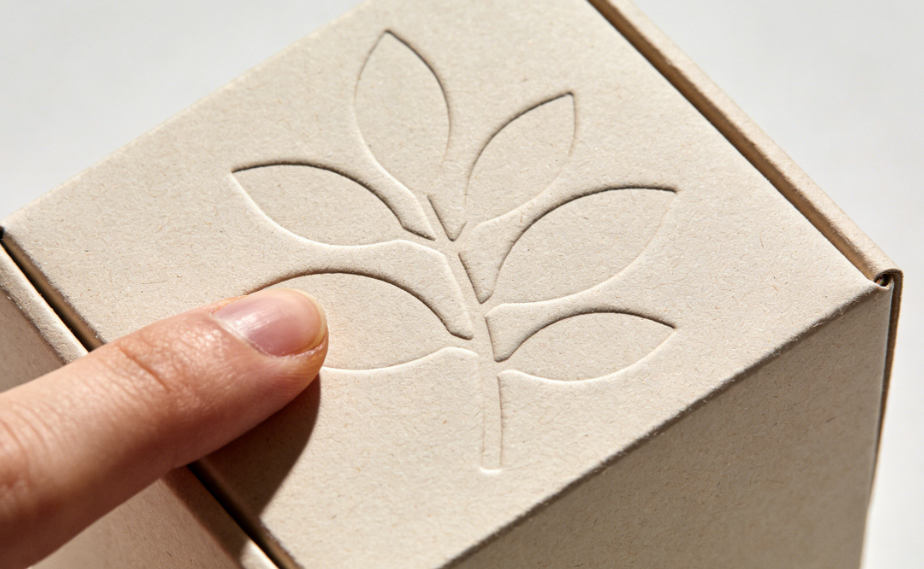
While embossing and debossing produce different effects, both enhance the overall quality of packaging and highlight key brand elements. Therefore, if you're aiming for a bold and luxurious look, choose embossing; if you prefer understated elegance, choose debossing. Of course, the two can be combined to create a deeper tactile and visual experience. Regardless of the choice, both can transform ordinary packaging into a tactile experience that resonates with discerning global consumers, enhancing brand loyalty and market competitiveness.
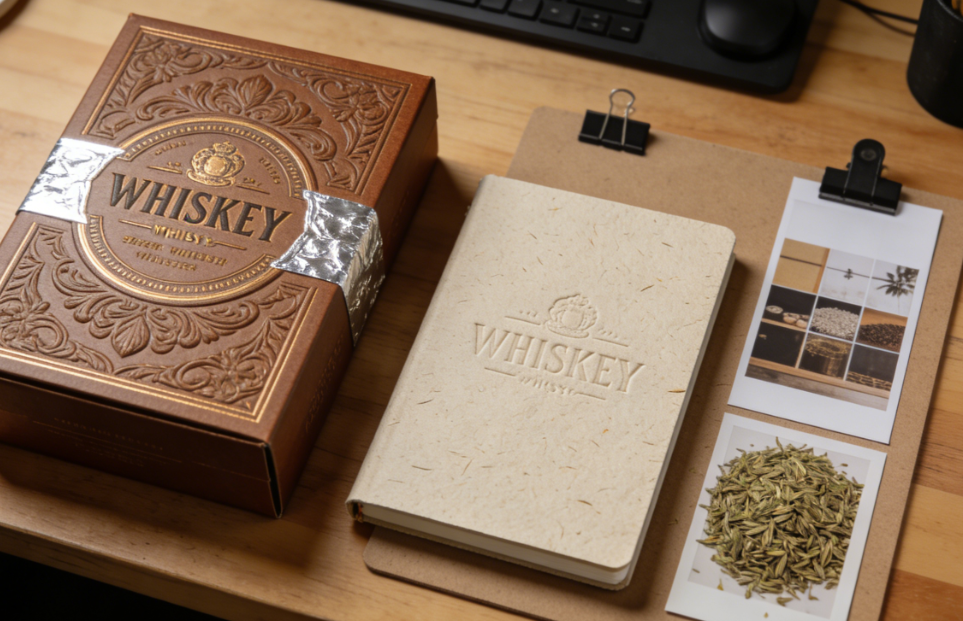
Jinayon possesses mature embossing and debossing technologies. Contact Jinayon today for a one-stop customized packaging solution.

FAQ
What is the key difference between embossing and debossing?
Embossing raises the design above the surface for prominent, three-dimensional texture. Debossing presses the design inward, creating a subtle, recessed impression that conveys understated elegance.
Which technique better suits minimalist brand aesthetics?
Debossing aligns perfectly with minimalist styles, offering delicate, refined texture without visual noise. It pairs beautifully with natural materials like kraft paper for eco-conscious branding.
Can embossing and debossing be combined with other finishes?
Yes. Embossing pairs dramatically with foil stamping for metallic raised effects. Debossing works well alone or with subtle color accents. Both can be combined on one package for layered dimension.