EN
EN
 AR
AR
 BG
BG
 DA
DA
 NL
NL
 FI
FI
 FR
FR
 DE
DE
 IT
IT
 JA
JA
 KO
KO
 NO
NO
 PT
PT
 RU
RU
 ES
ES
 IW
IW
 TH
TH
 MS
MS
 HY
HY


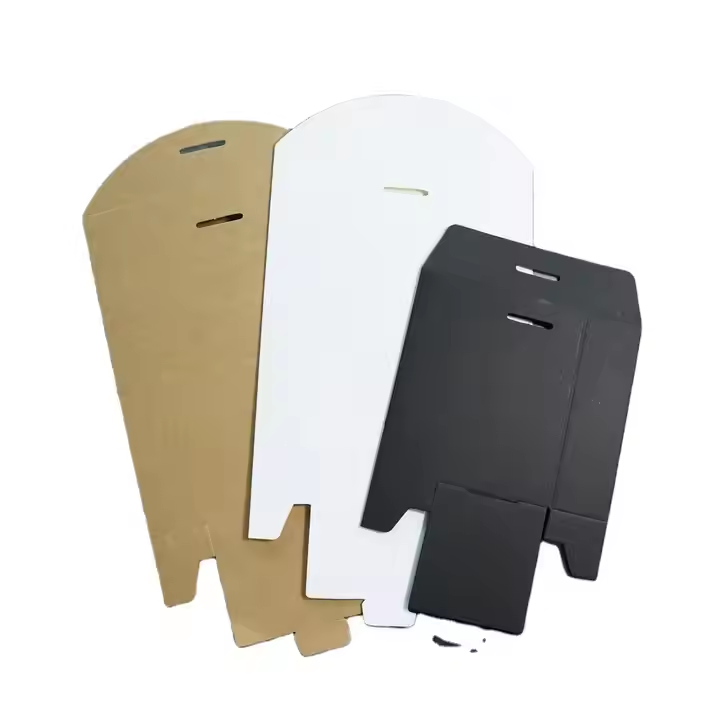
Selecting the perfect jewelry box requires careful consideration of your collection size, storage preferences, and lifestyle demands. A well-chosen jewelry box not only protects your precious items but also enhances your daily routine by providing organized, accessible storage for rings, necklaces, earrings, and watches. Whether you own a modest collection of family heirlooms or an extensive array of contemporary pieces, finding the right jewelry box involves evaluating materials, compartment configurations, security features, and aesthetic appeal that complements your personal style and home décor.
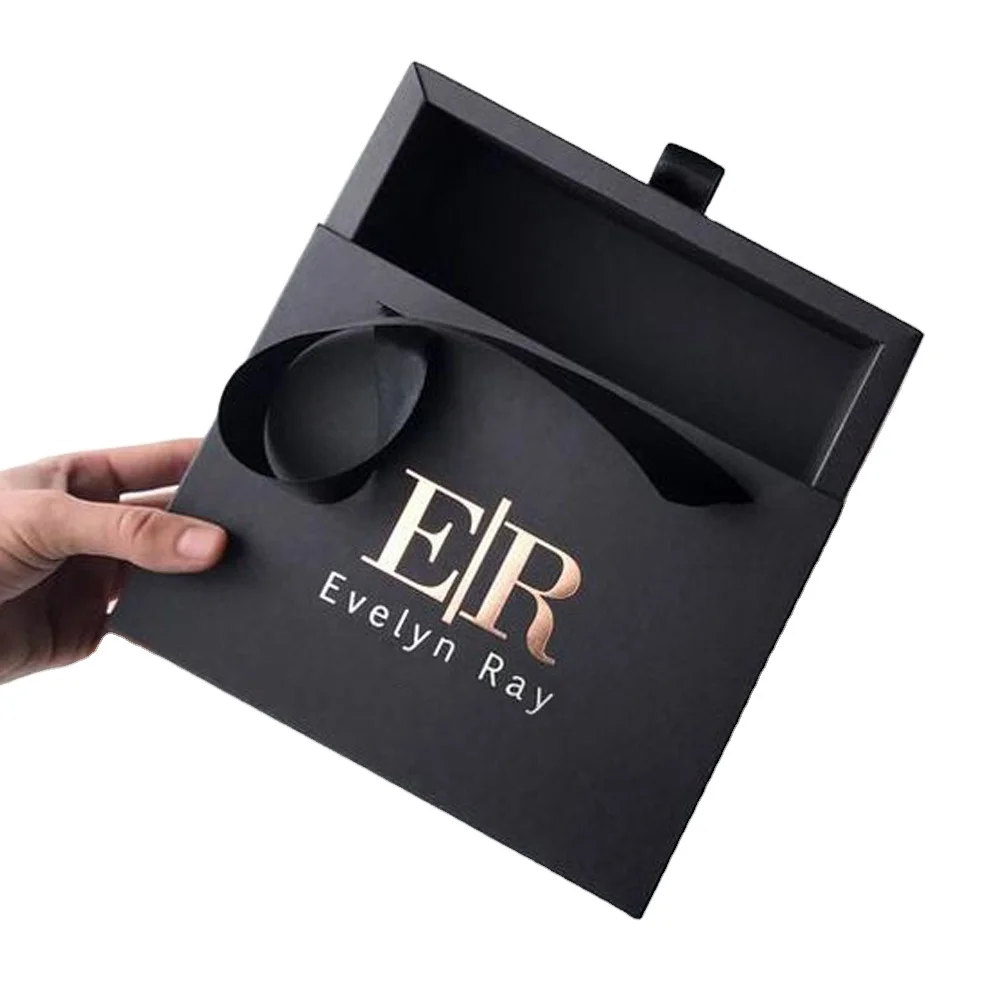
Understanding Your Collection Requirements
Assessing Collection Size and Growth Potential
Before purchasing any jewelry box, conduct a thorough inventory of your current collection to determine immediate storage needs. Count your rings, earrings, necklaces, bracelets, watches, and specialty items like brooches or cufflinks. Consider not only what you own today but also anticipate future acquisitions, as a quality jewelry box should accommodate growth over several years. Many collectors underestimate their storage requirements, leading to overcrowded compartments that can cause tangling, scratching, or damage to delicate pieces.
Document the dimensions and characteristics of your largest or most uniquely shaped pieces, as these will influence compartment size requirements. Statement necklaces, chunky bracelets, or oversized watches may require specialized storage solutions within your jewelry box design. Planning for diverse jewelry types ensures your investment will serve you effectively for years to come, preventing the need for multiple storage solutions or frequent upgrades.
Categorizing Jewelry Types and Storage Needs
Different jewelry categories demand specific storage approaches to maintain their condition and accessibility. Necklaces require hanging or flat storage to prevent tangling, while rings need secure compartments that prevent scratching against other pieces. Earrings, particularly those with posts or hooks, benefit from padded surfaces or specialized holders that keep pairs together and prevent loss of small components like backs or clips.
Consider the frequency with which you wear different pieces when evaluating jewelry box compartment layouts. Daily-wear items should occupy easily accessible sections, while special occasion pieces can be stored in deeper or less convenient areas. This approach maximizes the practical value of your jewelry box while ensuring that frequently used items remain within easy reach during your morning routine.
Material Selection and Durability Considerations
Exterior Construction Materials
The exterior material of your jewelry box significantly impacts both durability and aesthetic appeal. Solid wood construction, particularly hardwoods like mahogany, cherry, or oak, provides exceptional longevity and develops a beautiful patina over time. Wood jewelry boxes offer natural insulation properties that help regulate temperature and humidity fluctuations, protecting metal components from tarnishing and gemstones from thermal stress.
Leather-wrapped jewelry boxes present a sophisticated alternative that combines durability with luxury appeal. High-quality leather develops character over time while providing excellent protection for contents. Synthetic materials like engineered wood products or high-grade plastics can offer cost-effective solutions without compromising functionality, though they may lack the premium feel and longevity of natural materials.
Interior Lining and Compartment Materials
Interior lining materials directly contact your jewelry, making material selection crucial for protection and maintenance. Velvet lining remains the gold standard for jewelry box interiors, providing soft cushioning that prevents scratches while offering an elegant appearance. The dense pile of quality velvet creates individual pockets around jewelry pieces, minimizing movement during transport or daily use.
Silk and satin linings offer smooth surfaces that work well for delicate pieces, though they may not provide the same level of protection as velvet for heavier items. Suede presents another viable option, offering excellent grip properties that keep jewelry pieces in position while maintaining a luxurious feel. Avoid jewelry boxes with rough or unlined interiors, as these can cause significant damage to precious metals and gemstones over time.
Security Features and Protection Mechanisms
Locking Systems and Access Control
Security features in a jewelry box range from simple latches to sophisticated locking mechanisms, depending on the value of your collection and security requirements. Traditional key locks provide basic security while maintaining easy access for daily use. These systems work well for collections of moderate value or in secure home environments where theft prevention is less critical than organization and protection from environmental factors.
For valuable collections, consider jewelry boxes with combination locks or electronic access systems. These advanced security features eliminate the risk of lost keys while providing reliable protection against unauthorized access. Some premium jewelry box models incorporate biometric scanners or smartphone connectivity, offering cutting-edge security for high-value collections that require maximum protection.
Anti-Tarnish Properties and Environmental Protection
Quality jewelry boxes incorporate anti-tarnish properties to protect silver and other reactive metals from environmental damage. Anti-tarnish cloths or treated linings release compounds that neutralize sulfur and other tarnish-causing elements in the air. These protective measures can significantly extend the time between professional cleanings and help maintain the brilliant appearance of your jewelry collection.
Humidity control features, while less common in standard jewelry boxes, provide additional protection in climates with extreme humidity variations. Some premium models include moisture-absorbing materials or compartments designed to house humidity control packets. These features prove particularly valuable for collections that include pearls, opals, or other moisture-sensitive gemstones that can be damaged by environmental fluctuations.
Size and Portability Factors
Desktop and Countertop Solutions
Desktop jewelry boxes offer convenient access for daily-use pieces while occupying minimal space in bedrooms or dressing areas. These compact solutions typically feature multiple small compartments and one or two larger sections for watches or statement pieces. The jewelry box should complement your existing furniture and décor while providing sufficient storage for your most frequently worn items.
Consider the available space on your dresser, vanity, or nightstand when selecting desktop jewelry box dimensions. Measure the intended location carefully, accounting for the box's footprint when fully opened, as many designs extend beyond their closed dimensions when drawers are pulled out or lids are raised. This planning prevents placement issues and ensures your jewelry box integrates seamlessly into your existing space.
Travel and Portable Options
Travel jewelry boxes serve essential functions for frequent travelers or those who regularly transport jewelry to different locations. These compact designs prioritize security and organization while minimizing size and weight. Look for travel jewelry boxes with secure closures, individual compartments for different jewelry types, and cushioned construction that protects contents from movement during transport.
Evaluate the jewelry box capacity relative to your typical travel jewelry needs, ensuring adequate space for essential pieces without excessive bulk. Many travel designs feature roll-up configurations or folding compartments that maximize storage efficiency while maintaining compact external dimensions. These portable solutions should complement rather than replace your primary jewelry box storage system.
Compartment Configuration and Organization Features
Specialized Storage Solutions
Effective jewelry box organization depends on compartment configurations that accommodate different jewelry types efficiently. Ring rolls provide secure storage for multiple rings while preventing contact between pieces that could cause scratching. Necklace hooks or bars prevent tangling of chains and allow easy identification of different pieces. Earring cards or holes maintain pair organization while protecting delicate posts and clips from damage.
Watch pillows or specialized compartments accommodate timepieces of various sizes while protecting crystal faces and metal bands. These features prove particularly important for automatic watches that benefit from regular movement or valuable pieces that require careful handling. Consider your specific jewelry types when evaluating compartment layouts, ensuring that each category has appropriate storage space within your chosen jewelry box design.
Expandability and Modular Options
Some jewelry box designs offer modular expansion capabilities that allow you to add compartments or levels as your collection grows. These systems provide excellent long-term value by adapting to changing storage needs without requiring complete replacement. Stackable jewelry boxes enable vertical expansion while maintaining organized access to different jewelry categories.
Drawer systems within larger jewelry boxes provide flexible organization options, allowing you to customize compartment layouts based on your specific collection requirements. Removable dividers or adjustable compartment walls offer additional customization possibilities, enabling you to modify storage configurations as your jewelry collection evolves over time.
Style and Aesthetic Considerations
Design Integration with Home Décor
Your jewelry box should complement your existing bedroom or dressing area décor rather than clash with established design themes. Traditional wooden jewelry boxes work well with classic or rustic interior styles, while contemporary designs with clean lines and modern materials suit minimalist or contemporary spaces. Consider the color palette, finish options, and decorative details that will harmonize with your current furnishings.
The jewelry box finish should coordinate with other furniture pieces in the room, creating visual continuity rather than introducing conflicting elements. Matching wood tones or complementary metal accents help integrate the jewelry box into your existing space seamlessly. This attention to aesthetic detail ensures your storage solution enhances rather than detracts from your room's overall design appeal.
Personal Style Expression
Beyond functional requirements, your jewelry box selection should reflect your personal taste and style preferences. Ornate designs with carved details or decorative hardware appeal to those who appreciate traditional craftsmanship and classical aesthetics. Sleek, minimalist jewelry boxes suit individuals who prefer contemporary design and clean, uncluttered appearances.
Color choices in jewelry box design range from natural wood tones to painted finishes, leather wraps, or fabric coverings. Select colors that either complement your existing décor or provide an intentional accent that enhances your space's visual interest. Remember that your jewelry box will be a permanent fixture in your daily routine, so choose a design that you'll appreciate seeing and using regularly.
FAQ
What size jewelry box do I need for a small collection
For small jewelry collections consisting of 10-20 pieces including rings, earrings, and a few necklaces, a compact desktop jewelry box with 4-6 compartments typically provides adequate storage. Look for designs measuring approximately 8-10 inches in length and 6-8 inches in width, with at least one larger compartment for necklaces and several smaller sections for rings and earrings. This size accommodates growth while maintaining easy access to all pieces without taking up excessive space on your dresser or vanity.
How do I prevent jewelry from tarnishing in storage
Prevent jewelry tarnishing by choosing a jewelry box with anti-tarnish lining or adding anti-tarnish strips to existing storage. Ensure your jewelry is completely clean and dry before storage, as oils and moisture accelerate tarnishing processes. Store different metals separately when possible, and avoid exposing your jewelry box to excessive humidity or temperature fluctuations. Regular use of stored pieces also helps prevent tarnishing, as the natural oils from your skin create a protective barrier against environmental factors.
Should I choose a locking jewelry box for valuable pieces
Locking jewelry boxes provide additional security for valuable collections, particularly in shared living spaces or homes with frequent visitors. While locks won't prevent determined theft, they deter casual browsing and provide peace of mind for moderate-value collections. For extremely valuable pieces, consider a jewelry box with a combination lock or electronic access, and ensure your homeowner's insurance adequately covers your collection regardless of storage security measures.
What maintenance does a jewelry box require
Regular jewelry box maintenance involves dusting exterior surfaces weekly and cleaning interior compartments monthly with a soft cloth. Wooden jewelry boxes benefit from occasional treatment with appropriate wood conditioner to maintain finish quality and prevent cracking. Check lining materials periodically for wear or damage, replacing worn sections to protect your jewelry. Lubricate hinges and lock mechanisms annually to ensure smooth operation and prevent mechanical failures that could damage your jewelry box or restrict access to your collection.