EN
EN
 AR
AR
 BG
BG
 DA
DA
 NL
NL
 FI
FI
 FR
FR
 DE
DE
 IT
IT
 JA
JA
 KO
KO
 NO
NO
 PT
PT
 RU
RU
 ES
ES
 IW
IW
 TH
TH
 MS
MS
 HY
HY



Sustainable packaging represents a fundamental shift in how businesses approach product protection, branding, and environmental responsibility. As we advance through 2026, sustainable packaging has evolved from an optional consideration to a critical business imperative that directly impacts consumer purchasing decisions, regulatory compliance, and long-term market viability. This comprehensive approach to packaging design prioritizes environmental stewardship while maintaining the functional requirements that protect products throughout their journey from manufacturer to consumer.
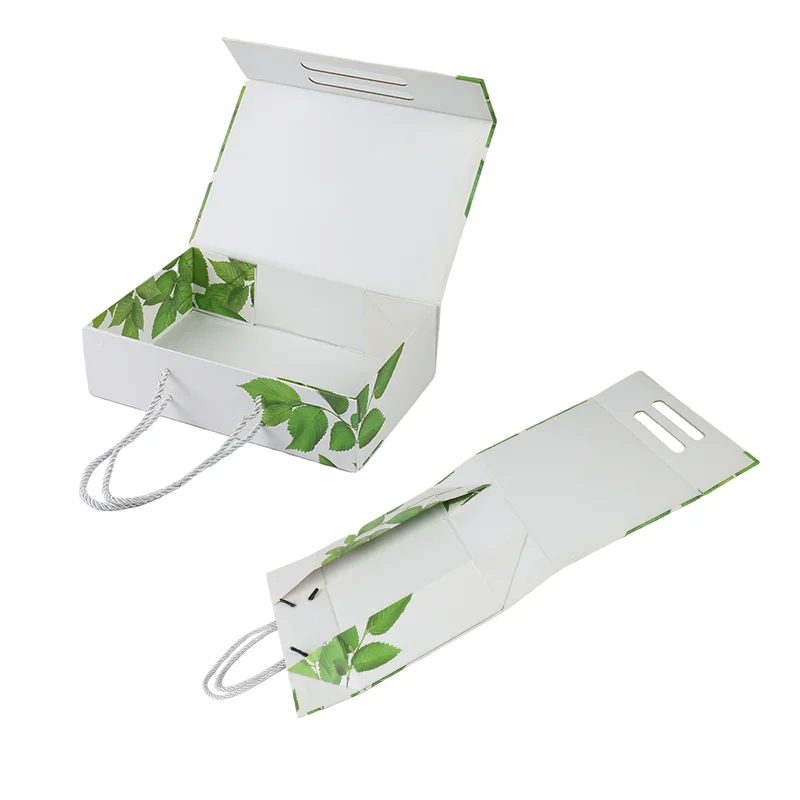
The significance of sustainable packaging in 2026 extends far beyond environmental considerations, encompassing economic advantages, regulatory requirements, and consumer expectations that collectively drive business success. Companies implementing sustainable packaging solutions report improved brand loyalty, reduced material costs, and enhanced market positioning in an increasingly environmentally conscious marketplace. Understanding the principles and applications of sustainable packaging has become essential for businesses seeking to remain competitive while contributing to global sustainability goals.
Understanding the Core Elements of Sustainable Packaging
Material Selection and Environmental Impact
The foundation of sustainable packaging lies in the careful selection of materials that minimize environmental impact throughout their lifecycle. Sustainable packaging materials include recycled content, biodegradable substances, and renewable resources that can be processed without depleting natural ecosystems. These materials undergo rigorous evaluation to ensure they meet performance standards while reducing carbon footprint, water consumption, and waste generation during production processes.
Modern sustainable packaging incorporates innovative materials such as plant-based polymers, recycled cardboard, and compostable films that maintain product integrity while offering end-of-life disposal options that support circular economy principles. The selection process considers factors including material sourcing transparency, manufacturing energy requirements, and compatibility with existing recycling infrastructure to ensure genuine environmental benefits rather than superficial improvements.
Design Principles for Environmental Optimization
Effective sustainable packaging design follows principles that optimize material usage, eliminate unnecessary components, and facilitate efficient recycling processes. These design principles include right-sizing packages to reduce material consumption, eliminating mixed materials that complicate recycling, and creating modular designs that separate different material types for proper disposal. The design process also considers transportation efficiency, with packaging dimensions optimized to maximize shipping density and reduce fuel consumption.
Contemporary sustainable packaging design integrates aesthetic appeal with environmental responsibility, proving that eco-friendly solutions need not compromise visual impact or brand presentation. Designers employ techniques such as structural optimization, surface treatment reduction, and color palette limitations that maintain brand recognition while supporting sustainable manufacturing processes and end-of-life management.
The Business Imperative for Sustainable Packaging in 2026
Consumer Demand and Market Expectations
Consumer behavior in 2026 reflects a pronounced preference for sustainable packaging that aligns with personal environmental values and social responsibility commitments. Market research consistently demonstrates that consumers actively seek products featuring sustainable packaging, often willing to pay premium prices for environmentally responsible options. This consumer preference extends across demographic segments, with particularly strong adoption among younger consumers who prioritize sustainability in purchasing decisions.
The shift in consumer expectations has transformed sustainable packaging from a differentiating factor to a basic requirement for market participation. Companies failing to adopt sustainable packaging practices face increasing consumer resistance, negative brand perception, and reduced market share as environmentally conscious alternatives capture consumer attention and loyalty.
Regulatory Compliance and Policy Drivers
Regulatory frameworks governing packaging sustainability have intensified significantly in 2026, with governments implementing comprehensive policies that mandate sustainable packaging practices across various industries. These regulations include extended producer responsibility requirements, packaging waste reduction targets, and material composition standards that directly impact packaging design and manufacturing decisions. Compliance with these evolving regulations requires proactive adoption of sustainable packaging solutions rather than reactive adjustments.
The regulatory landscape encompasses both domestic and international requirements, creating complex compliance obligations for companies operating across multiple markets. Sustainable packaging solutions provide a unified approach to meeting diverse regulatory requirements while avoiding the complexity and cost associated with maintaining different packaging systems for different jurisdictions.
Environmental Benefits and Global Impact
Carbon Footprint Reduction
Sustainable packaging contributes significantly to carbon footprint reduction through optimized material selection, efficient manufacturing processes, and improved transportation logistics. The lifecycle carbon impact of sustainable packaging typically demonstrates substantial reductions compared to conventional packaging alternatives, with benefits realized across raw material extraction, manufacturing, transportation, and end-of-life management phases.
The carbon reduction benefits of sustainable packaging extend beyond direct material impacts to include supply chain optimization, reduced waste management requirements, and enhanced recyclability that supports circular economy principles. These combined benefits contribute to measurable environmental improvements that support corporate sustainability goals and global climate change mitigation efforts.
Waste Stream Management and Circular Economy
Effective sustainable packaging design addresses waste stream management challenges by creating packaging solutions that integrate seamlessly with existing recycling infrastructure while supporting circular economy principles. This integration includes design considerations for material separation, contamination prevention, and compatibility with recycling processing equipment that ensures packaging materials can be effectively recovered and reprocessed.
The circular economy benefits of sustainable packaging extend beyond recycling to include composting options, material recovery systems, and closed-loop manufacturing processes that eliminate waste generation. These comprehensive waste management solutions address both immediate disposal concerns and long-term resource conservation objectives.
Implementation Strategies and Practical Applications
Industry-Specific Sustainable Packaging Solutions
Different industries require tailored approaches to sustainable packaging that address specific product protection requirements, regulatory obligations, and consumer expectations. Food and beverage industries focus on sustainable packaging solutions that maintain product safety and shelf life while reducing environmental impact through biodegradable barriers and recyclable containers. Electronics industries prioritize sustainable packaging that provides adequate protection during shipping while facilitating component recovery and recycling.
Luxury goods and retail sectors implement sustainable packaging strategies that maintain premium brand presentation while demonstrating environmental responsibility through innovative material applications and refined design aesthetics. These industry-specific approaches ensure that sustainable packaging solutions meet functional requirements while advancing environmental objectives.
Supply Chain Integration and Stakeholder Collaboration
Successful sustainable packaging implementation requires comprehensive supply chain integration that coordinates material sourcing, manufacturing processes, and distribution logistics to optimize environmental performance. This integration involves collaboration with material suppliers, packaging manufacturers, and logistics providers to ensure sustainable packaging solutions maintain efficiency while reducing environmental impact.
Stakeholder collaboration extends to include retailers, consumers, and waste management systems that must work together to realize the full benefits of sustainable packaging initiatives. This collaborative approach ensures that sustainable packaging solutions function effectively throughout their entire lifecycle while supporting broader environmental objectives.
Future Trends and Innovation Directions
Emerging Technologies and Material Innovation
The sustainable packaging landscape continues evolving through breakthrough technologies and innovative material developments that expand the possibilities for environmentally responsible packaging solutions. Emerging technologies include bio-based polymers derived from agricultural waste, smart packaging systems that optimize material usage, and advanced recycling processes that recover materials previously considered non-recyclable.
Innovation directions in sustainable packaging focus on developing materials with enhanced performance characteristics while maintaining environmental benefits, creating packaging systems that actively contribute to product preservation, and integrating digital technologies that optimize packaging design and usage patterns.
Measurement and Verification Systems
Advanced measurement and verification systems enable accurate assessment of sustainable packaging performance, providing data-driven insights that support continuous improvement and regulatory compliance. These systems incorporate lifecycle assessment methodologies, carbon tracking protocols, and environmental impact quantification tools that demonstrate the actual benefits of sustainable packaging initiatives.
Verification systems also include third-party certification programs, industry standards, and consumer transparency initiatives that provide credible validation of sustainable packaging claims while supporting informed purchasing decisions and regulatory compliance requirements.
FAQ
What makes packaging truly sustainable versus just eco-friendly?
Truly sustainable packaging addresses the complete lifecycle impact including material sourcing, manufacturing processes, transportation efficiency, product protection performance, and end-of-life management. While eco-friendly packaging may focus on one aspect like recyclable materials, sustainable packaging considers the entire system impact including carbon footprint, resource consumption, waste generation, and circular economy integration to ensure genuine environmental benefits.
How do businesses measure the ROI of sustainable packaging investments?
Businesses measure sustainable packaging ROI through multiple metrics including material cost savings, transportation efficiency improvements, regulatory compliance cost avoidance, brand value enhancement, and customer retention benefits. The measurement includes both direct financial impacts such as reduced material usage and indirect benefits such as improved market positioning and reduced regulatory risk exposure.
What are the biggest challenges companies face when transitioning to sustainable packaging?
The primary challenges include initial investment costs for new packaging systems, supply chain integration complexity, performance validation requirements, and consumer education needs. Companies also face challenges in balancing sustainability objectives with product protection requirements, regulatory compliance obligations, and brand presentation expectations while maintaining cost competitiveness.
How does sustainable packaging impact product shelf life and protection?
Modern sustainable packaging solutions maintain or enhance product protection through innovative barrier technologies, optimized structural designs, and advanced material formulations that provide equivalent or superior performance compared to conventional packaging. The key lies in selecting appropriate sustainable materials and design approaches that meet specific product protection requirements while achieving environmental objectives.
Table of Contents
- Understanding the Core Elements of Sustainable Packaging
- The Business Imperative for Sustainable Packaging in 2026
- Environmental Benefits and Global Impact
- Implementation Strategies and Practical Applications
- Future Trends and Innovation Directions
-
FAQ
- What makes packaging truly sustainable versus just eco-friendly?
- How do businesses measure the ROI of sustainable packaging investments?
- What are the biggest challenges companies face when transitioning to sustainable packaging?
- How does sustainable packaging impact product shelf life and protection?