EN
EN
 AR
AR
 BG
BG
 DA
DA
 NL
NL
 FI
FI
 FR
FR
 DE
DE
 IT
IT
 JA
JA
 KO
KO
 NO
NO
 PT
PT
 RU
RU
 ES
ES
 IW
IW
 TH
TH
 MS
MS
 HY
HY


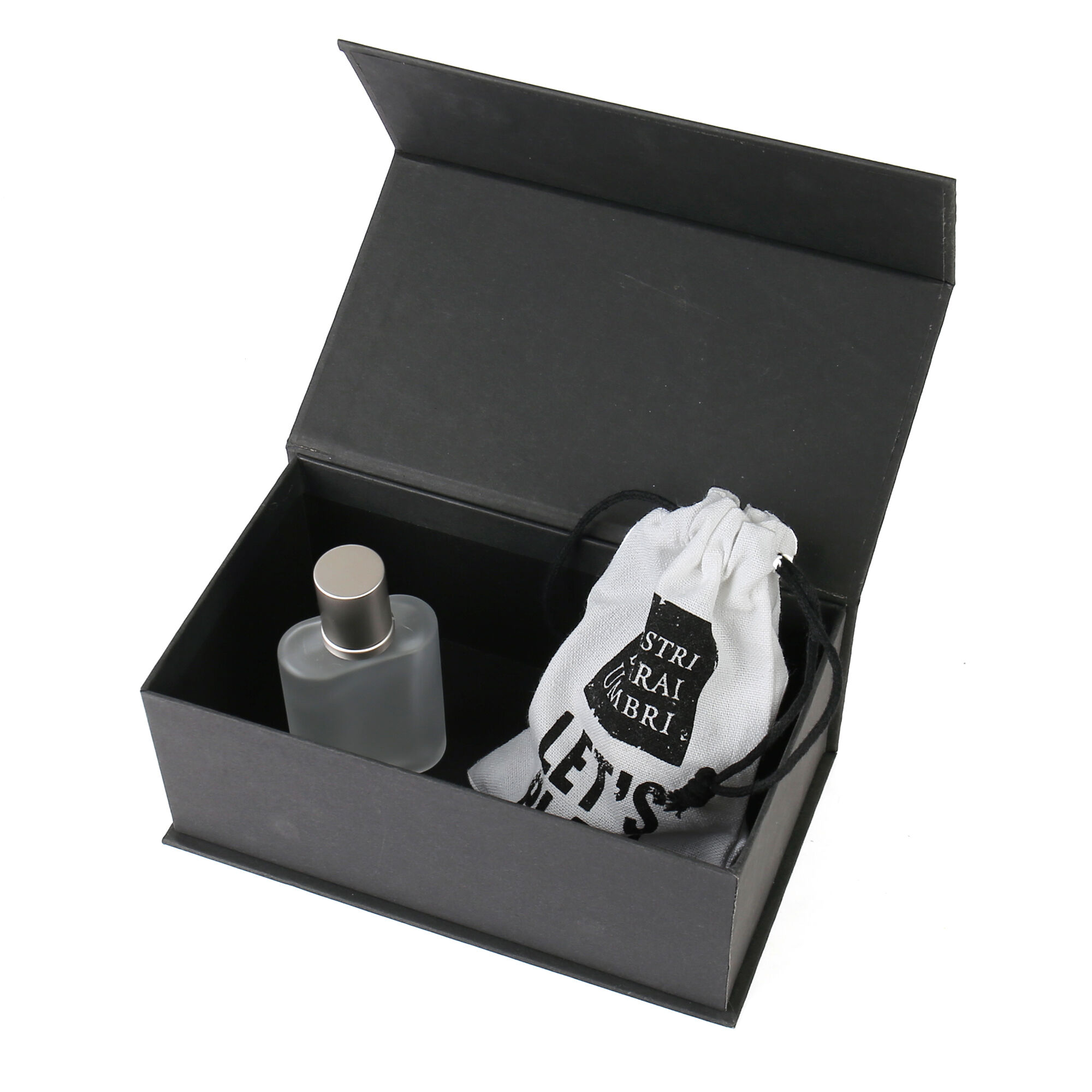
Selecting the right materials for a jewelry box significantly impacts its durability, functionality, and ability to protect valuable pieces over decades of use. The material choice determines not only the structural integrity of the jewelry box but also its resistance to environmental factors, wear patterns, and maintenance requirements that affect long-term performance.
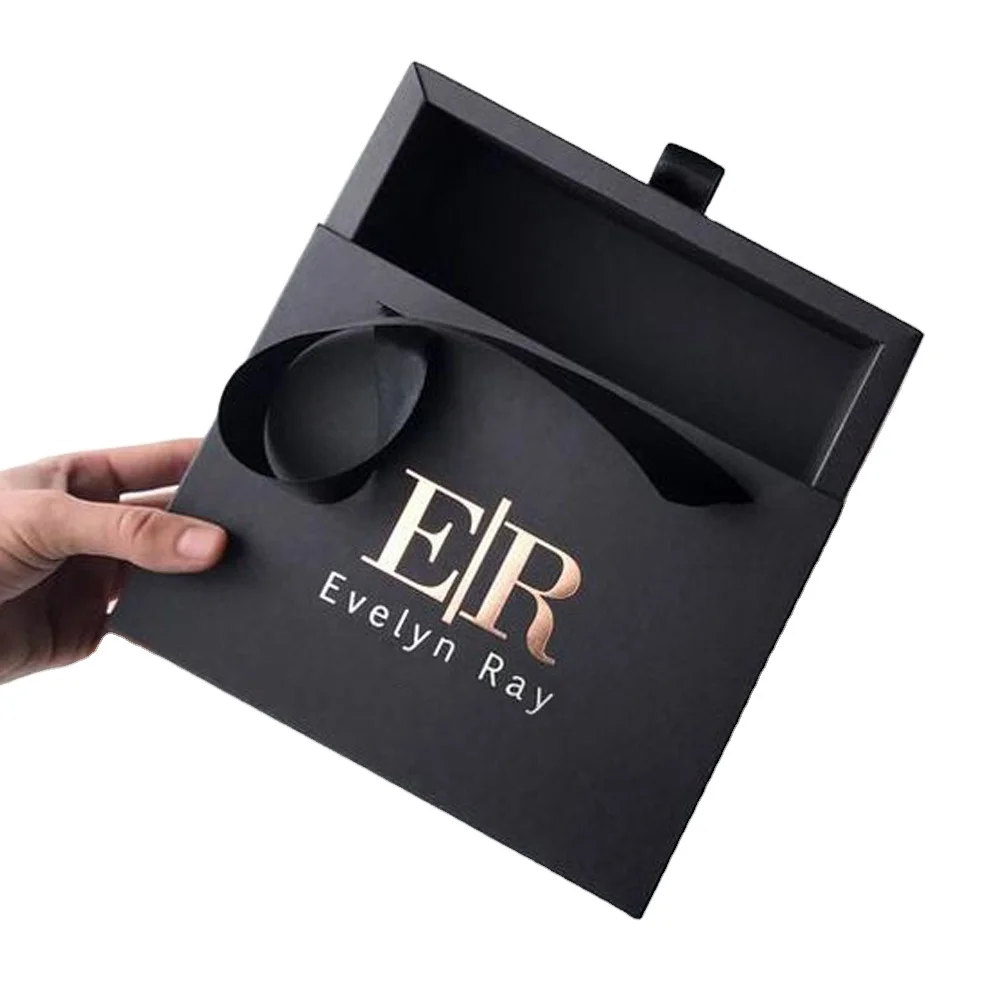
Understanding which materials deliver optimal longevity requires examining their inherent properties, manufacturing considerations, and real-world performance under various storage conditions. Professional jewelers and collectors consistently emphasize that material selection serves as the foundation for any high-quality jewelry box designed for extended use, making this decision crucial for both personal collections and commercial applications.
Wood Materials for Premium Jewelry Box Construction
Hardwood Species and Their Longevity Characteristics
Hardwoods represent the gold standard for jewelry box construction due to their exceptional durability and natural resistance to deformation. Oak, mahogany, cherry, and walnut offer dense grain structures that resist warping, cracking, and splitting even under fluctuating humidity conditions. These hardwood species maintain their dimensional stability across decades, ensuring that a jewelry box continues to function properly without developing gaps or misaligned compartments.
The cellular structure of quality hardwoods provides inherent shock absorption, protecting delicate jewelry from impacts that might occur during handling or transport. Mahogany particularly excels in jewelry box applications because it naturally resists moisture absorption while maintaining consistent dimensional properties. This stability proves essential for maintaining precise tolerances in drawer slides, lid mechanisms, and compartment dividers that define a well-functioning jewelry box.
Professional furniture makers consistently choose hardwoods for premium jewelry box construction because these materials age gracefully, developing rich patinas that enhance rather than detract from appearance over time. The natural oils present in many hardwood species also provide some protection against insect damage and fungal growth, contributing to the overall longevity of the jewelry box structure.
Engineered Wood Products and Composite Materials
Medium-density fiberboard and plywood represent cost-effective alternatives that can deliver excellent long-term performance when properly manufactured and finished. High-grade plywood constructed with marine-grade adhesives offers superior moisture resistance compared to many solid woods, making it an excellent choice for jewelry box construction in humid environments.
Engineered wood products eliminate many of the natural inconsistencies found in solid timber, providing uniform strength characteristics throughout the jewelry box structure. This consistency proves particularly valuable in precision applications like drawer construction, where even minor variations in material properties can affect long-term functionality.
However, the longevity of engineered wood depends heavily on the quality of adhesives and manufacturing processes used. Premium grades with formaldehyde-free adhesives and proper moisture sealing can match solid wood performance, while lower-grade materials may experience delamination or adhesive failure over extended periods.
Metal Construction Options for Durability
Aluminum and Lightweight Alloy Benefits
Aluminum jewelry box construction offers exceptional resistance to corrosion, making it ideal for long-term storage applications where moisture exposure might occur. The material's inherent stability means an aluminum jewelry box will never warp, split, or develop the dimensional changes that can affect other materials over time.
Modern aluminum alloys provide excellent strength-to-weight ratios, allowing for robust jewelry box construction without excessive weight that might complicate handling or portability. The material readily accepts various finishing techniques, from anodizing to powder coating, which further enhance its longevity by providing additional protection against environmental factors.
Manufacturing precision achievable with aluminum components ensures consistent tolerances in mechanisms like hinges, latches, and drawer slides that maintain smooth operation throughout the jewelry box's service life. This precision translates directly into long-term functionality and user satisfaction.
Steel and Iron Applications in Jewelry Storage
Steel construction provides unmatched security and structural integrity for jewelry box applications requiring maximum protection. Properly treated steel resists both mechanical damage and unauthorized access attempts while maintaining dimensional stability under extreme conditions.
However, steel requires careful attention to corrosion protection through appropriate coating systems or stainless steel selection. Quality stainless steel grades offer excellent longevity without ongoing maintenance requirements, though they typically increase the overall cost of jewelry box construction.
The thermal mass of steel construction helps moderate temperature fluctuations inside the jewelry box, providing additional protection for sensitive materials like pearls or vintage pieces that might be affected by rapid temperature changes.
Fabric and Lining Material Considerations
Natural Fiber Options for Interior Surfaces
Silk and cotton linings provide excellent long-term performance in jewelry box applications due to their natural breathability and gentle contact properties. These natural fibers allow air circulation while preventing the moisture buildup that can lead to tarnishing or corrosion of stored jewelry pieces.
Quality natural fiber linings maintain their appearance and protective properties for decades when properly installed and maintained. The natural pH-neutral properties of these materials ensure they won't react chemically with precious metals or gemstones over extended storage periods.
Natural fiber linings also offer superior aesthetic aging characteristics, developing a refined appearance that enhances the overall value proposition of a quality jewelry box rather than detracting from it over time.
Synthetic Lining Materials and Performance
Modern synthetic fabrics like microfiber and specialized jewelry-grade synthetics offer excellent durability and consistent performance characteristics. These materials resist staining, fading, and mechanical wear better than many natural alternatives while maintaining their protective properties throughout extended use.
Synthetic linings often incorporate anti-tarnish properties through specialized treatments or fiber compositions, providing active protection for stored jewelry beyond simple physical separation. This enhanced protection capability makes synthetic linings particularly valuable for long-term jewelry box applications.
The color stability and easy maintenance characteristics of quality synthetic linings ensure that a jewelry box interior maintains its appearance and functionality throughout decades of use without requiring replacement or restoration.
Hardware and Mechanism Durability Factors
Hinge and Latch System Materials
Brass and bronze hardware components offer exceptional longevity in jewelry box applications due to their natural corrosion resistance and self-lubricating properties. These materials develop protective patinas that actually enhance their performance over time while maintaining smooth operation throughout extended use cycles.
Quality brass hinges and latches maintain their precision tolerances for decades, ensuring that a jewelry box continues to open and close smoothly without developing the play or misalignment that affects lesser hardware over time. This consistent operation proves crucial for maintaining the protective seal and security features that define quality jewelry box performance.
Stainless steel hardware provides similar longevity benefits with enhanced strength characteristics, though it requires different lubrication approaches to maintain optimal performance. The material choice for hardware significantly impacts the overall service life and maintenance requirements of the complete jewelry box system.
Drawer Slide and Compartment Mechanisms
Precision-machined wood slides offer excellent long-term performance when properly fitted and finished, providing smooth operation that actually improves with use as the surfaces wear to perfect compatibility. This natural break-in process creates jewelry box drawers that operate with exceptional smoothness after initial seasoning.
Ball-bearing slide systems provide consistent performance characteristics throughout their service life, though they require occasional maintenance to prevent accumulation of debris that might affect smooth operation. Quality ball-bearing slides can maintain precise operation for decades when properly maintained.
The choice between different slide mechanisms affects both immediate functionality and long-term maintenance requirements, making material selection crucial for optimizing jewelry box performance over extended periods.
Environmental Resistance and Longevity Testing
Moisture and Humidity Performance
Material selection significantly impacts how well a jewelry box performs under varying humidity conditions that occur in real-world storage environments. Materials with high dimensional stability maintain consistent gaps and tolerances that preserve the protective seal and smooth operation essential for quality jewelry box function.
Moisture-resistant materials prevent the development of mold, mildew, or other biological growth that can damage both the jewelry box structure and stored contents. This resistance proves particularly important for jewelry box applications in coastal areas or humid climates where moisture exposure represents a constant challenge.
Testing protocols that simulate decades of humidity cycling help identify material combinations that maintain their protective properties throughout extended exposure to varying environmental conditions.
Temperature Cycling and Thermal Stability
Materials with low coefficients of thermal expansion maintain consistent dimensions across temperature ranges, preventing the binding or loosening of moving parts that can affect jewelry box functionality. This thermal stability ensures reliable operation regardless of seasonal temperature variations or storage location changes.
Thermal cycling tests reveal how different material combinations respond to repeated heating and cooling cycles that simulate years of environmental exposure. Materials that pass these accelerated aging tests demonstrate the thermal stability necessary for long-term jewelry box applications.
The thermal mass and insulation properties of different materials also affect the rate of temperature change inside the jewelry box, providing additional protection for temperature-sensitive items like certain gemstones or vintage pieces.
FAQ
What is the most durable material for a jewelry box that will last 20+ years?
Solid hardwoods like mahogany, cherry, or walnut combined with brass hardware provide the best combination of durability, repairability, and aging characteristics for long-term jewelry box use. These materials maintain their structural integrity and aesthetic appeal over decades while allowing for refinishing or repair if needed.
How do synthetic materials compare to natural materials for jewelry box longevity?
Quality synthetic materials often outperform natural alternatives in specific areas like moisture resistance and color stability, but natural materials typically offer better repairability and aesthetic aging. The best long-term approach combines both material types strategically based on their individual strengths within the jewelry box design.
Which jewelry box materials require the least maintenance over time?
Aluminum construction with synthetic linings and stainless steel hardware requires minimal ongoing maintenance while providing excellent long-term performance. These material combinations resist corrosion, maintain dimensional stability, and preserve their appearance with only occasional cleaning.
Can a jewelry box made from engineered wood last as long as solid wood versions?
High-quality engineered wood products using marine-grade adhesives and proper moisture barriers can match or exceed solid wood longevity, particularly in humid environments. However, repair options may be more limited, and the aging characteristics differ from natural wood, making material choice dependent on specific priorities and environmental conditions.
Table of Contents
- Wood Materials for Premium Jewelry Box Construction
- Metal Construction Options for Durability
- Fabric and Lining Material Considerations
- Hardware and Mechanism Durability Factors
- Environmental Resistance and Longevity Testing
-
FAQ
- What is the most durable material for a jewelry box that will last 20+ years?
- How do synthetic materials compare to natural materials for jewelry box longevity?
- Which jewelry box materials require the least maintenance over time?
- Can a jewelry box made from engineered wood last as long as solid wood versions?