EN
EN
 AR
AR
 BG
BG
 DA
DA
 NL
NL
 FI
FI
 FR
FR
 DE
DE
 IT
IT
 JA
JA
 KO
KO
 NO
NO
 PT
PT
 RU
RU
 ES
ES
 IW
IW
 TH
TH
 MS
MS
 HY
HY


В сфере персонализированной упаковки тактильные ощущения также играют ключевую роль в выделении бренда. Поэтому тиснение и глубокая печать — это два способа поверхностной обработки, придающие тактильные и трёхмерные эффекты. Но в чём между ними разница?
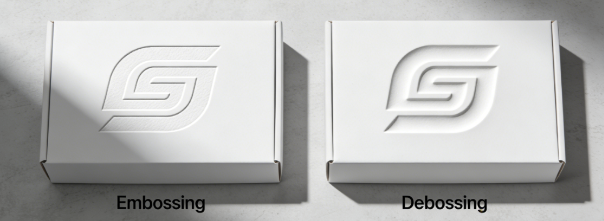
Тиснение создает объемный 3D-эффект на поверхности упаковки. Требуется специальная форма, и давление применяется для поднятия рисунка вверх, создавая тактильную текстуру. Часто используется в сочетании с тиснением фольгой на логотипах, узорах и т.д., чтобы создать роскошный и многослойный эффект.

Тиснение вдавливает рисунок вглубь материала, создавая тактильное ощущение углубления. Передает сдержанный, элегантный и минималистичный характер, идеально подходит для минималистичной упаковки или брендов, стремящихся к изысканному и неброскому стилю. Как и тиснение, требует специальной формы и применяет обратное давление.
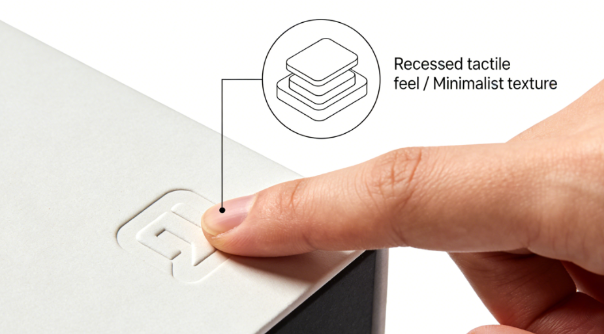
Оба процесса широко используются в упаковке и обеспечивают потребителям превосходное тактильное восприятие. Их можно комбинировать с тиснением фольгой, сплошным УФ-покрытием и другими процессами, чтобы усилить двойное воздействие визуальных и тактильных ощущений. Их также можно совмещать, чтобы создать многослойный эффект на одной упаковке.

Контакты Джинаон для комплексных решений в области упаковки.
Часто задаваемые вопросы
В чем ключевое различие между тиснением и глубоким тиснением?
Тиснение поднимает рисунок над поверхностью, создавая тактильный трехмерный эффект, в то время как глубокое тиснение вдавливает его внутрь, формируя углубленное изображение.
Можно ли совмещать тиснение или глубокое тиснение с другими техниками отделки?
Да. Оба варианта хорошо сочетаются с фольгированием для дополнительного блеска или со сплошным УФ-покрытием для контраста текстур. Сочетание техник создаёт многоуровневую сенсорную привлекательность, которая повышает качество впечатления от распаковки.
Какие факторы влияют на стоимость тиснения/глубокого тиснения?
Ключевые факторы включают сложность формы, толщину материала, объём производства и использование других видов отделки в сочетании. Тиснение, как правило, требует несколько большей точности и может потребовать более высоких затрат на настройку.