foldable cardboard boxes
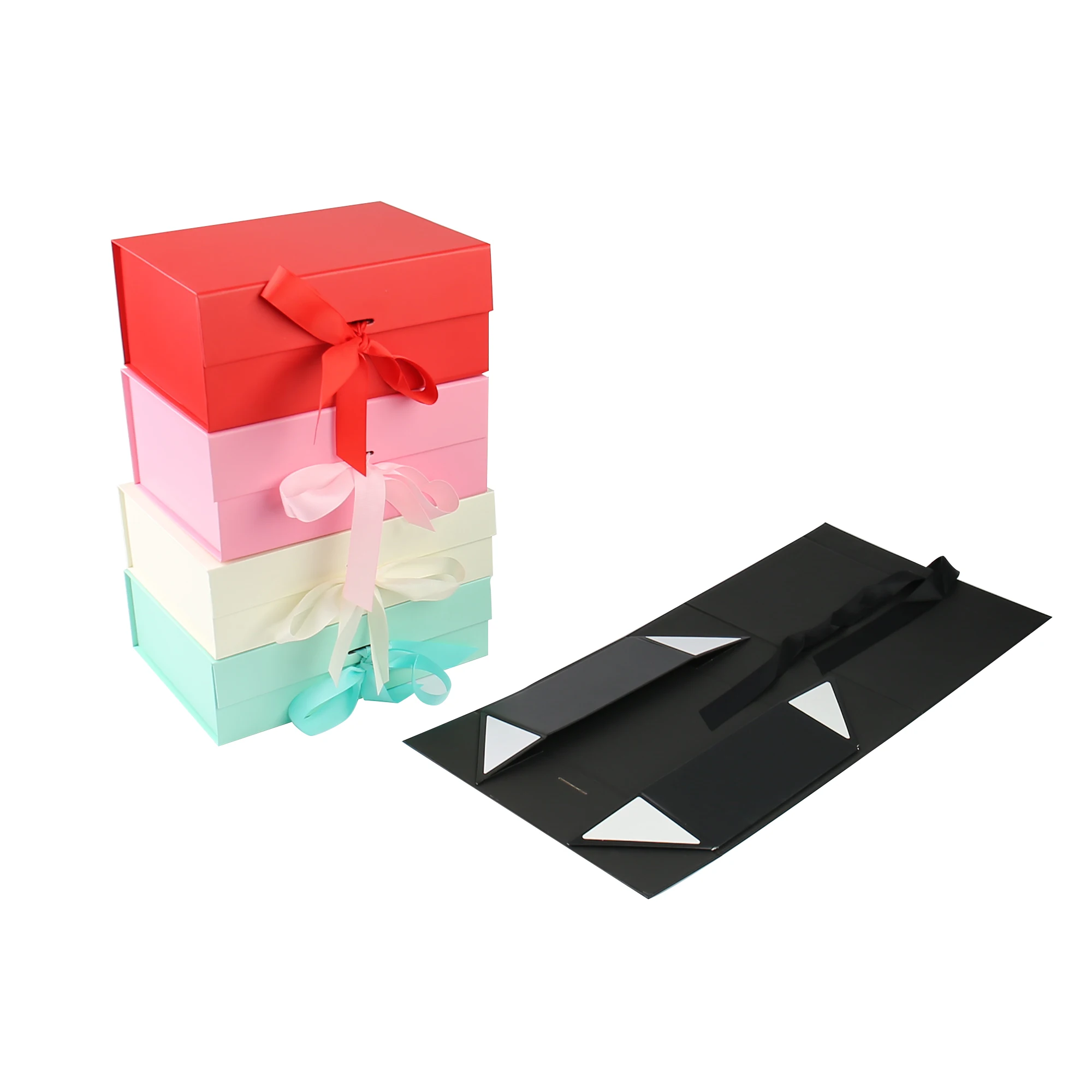
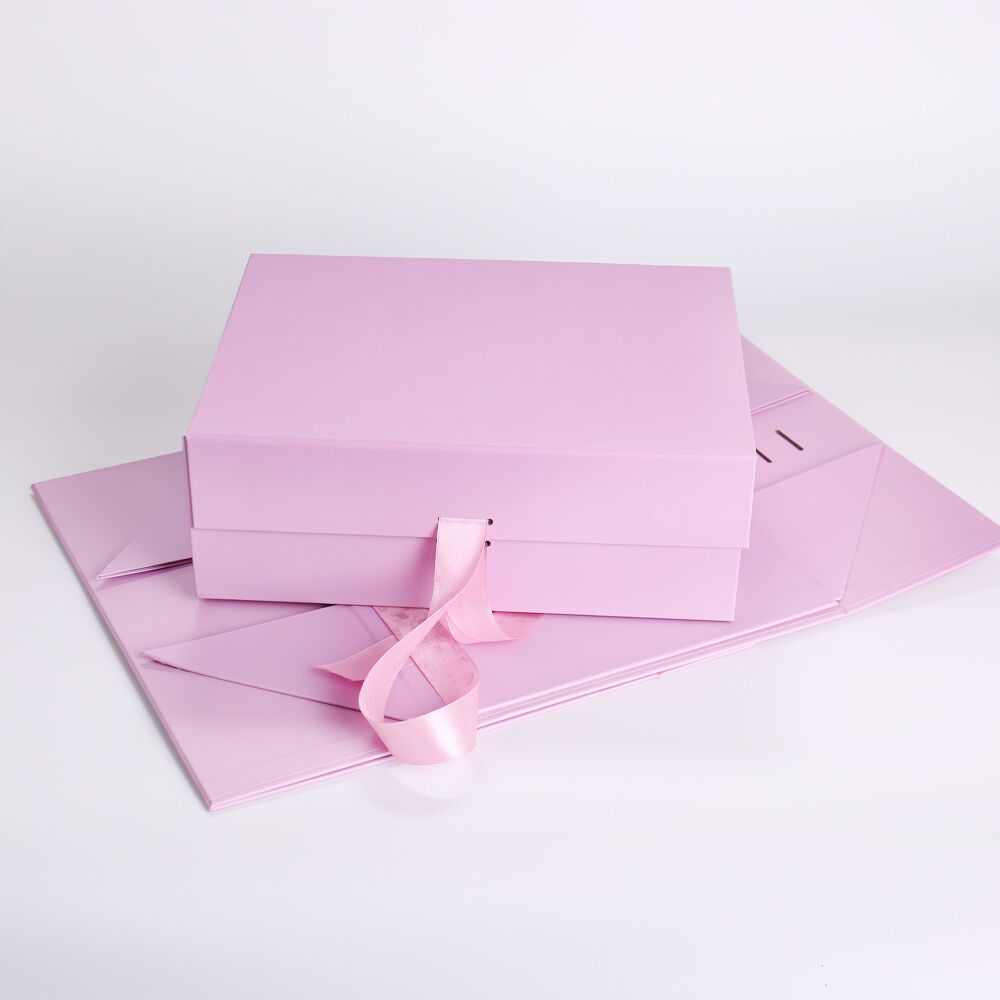
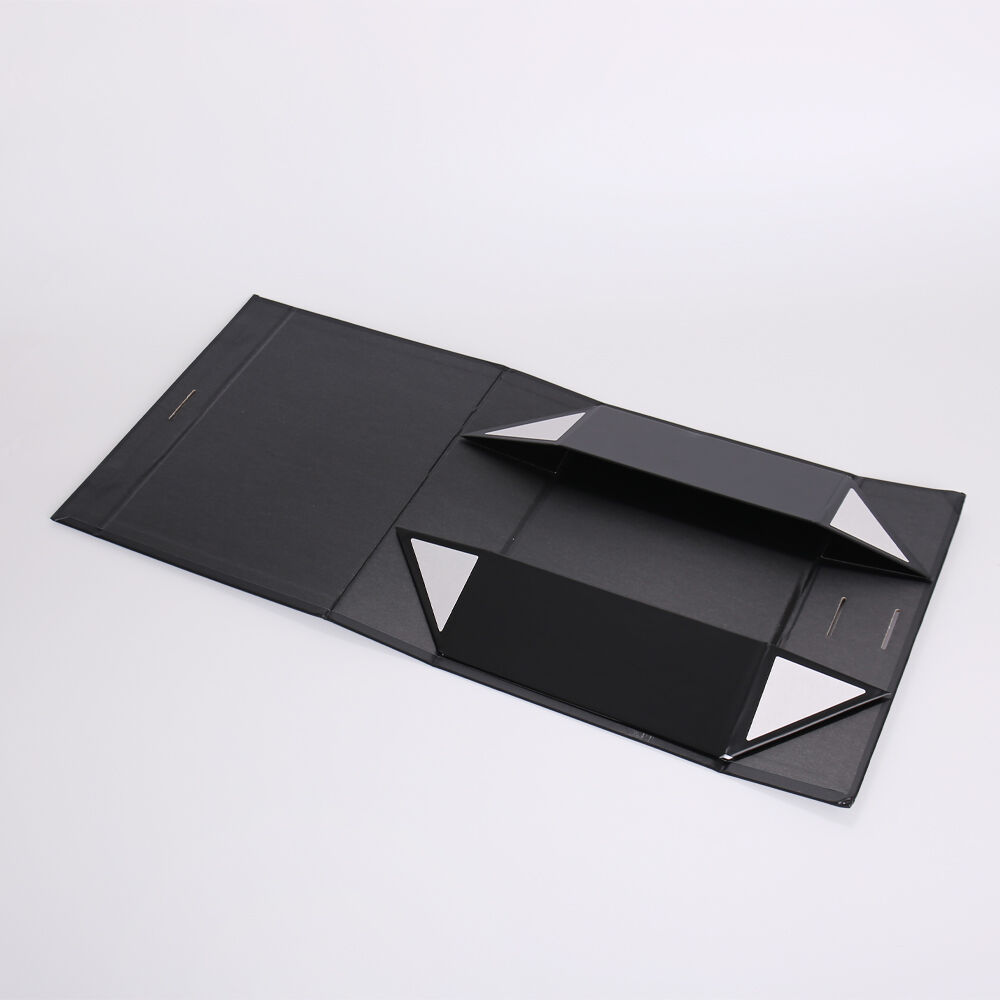
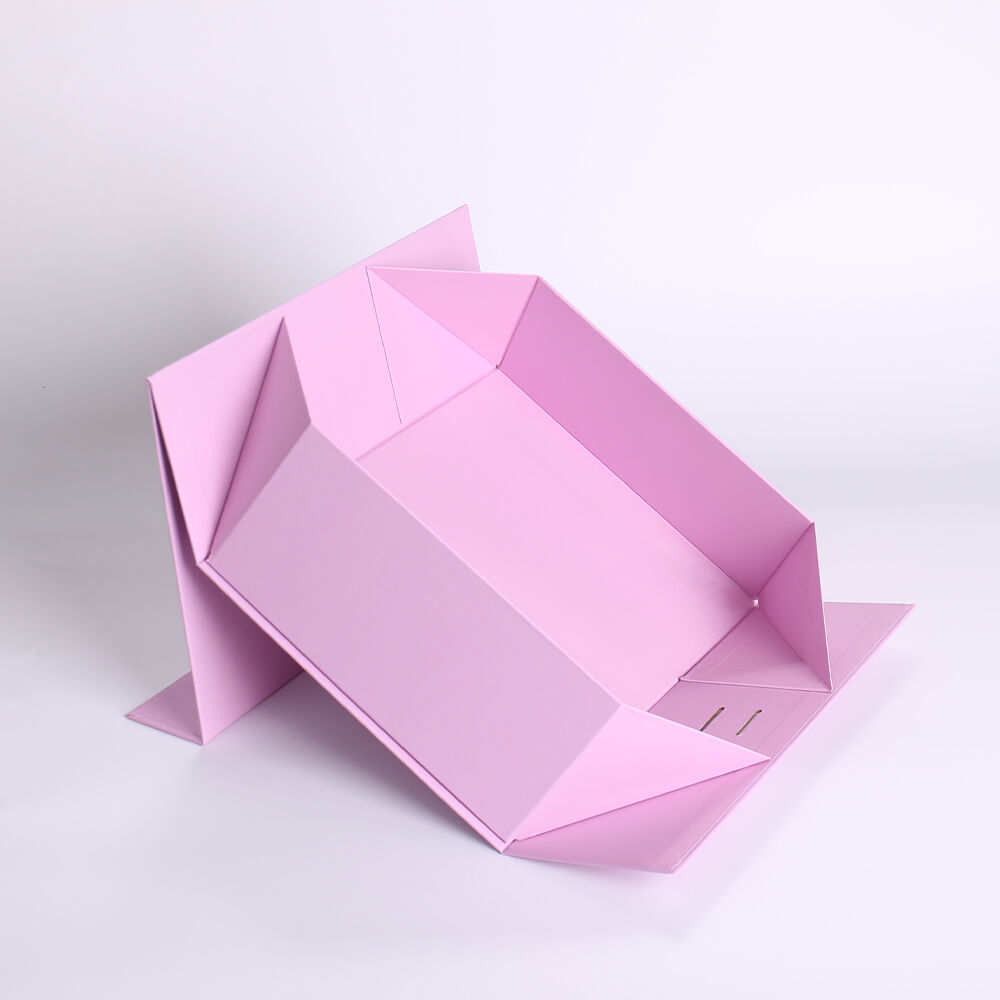
Foldable cardboard boxes represent a revolutionary packaging solution that combines convenience, efficiency, and environmental responsibility in modern shipping and storage applications. These innovative containers are engineered with precision-cut creases and fold lines that allow them to collapse flat when not in use, dramatically reducing storage space requirements by up to 90 percent compared to traditional rigid boxes. The core functionality of foldable cardboard boxes centers around their ability to transform from a flat-packed state into a fully functional three-dimensional container within seconds, requiring no additional tools or adhesives for assembly. The technological features of these boxes include reinforced corner joints, interlocking tabs, and strategically placed scoring that ensures structural integrity while maintaining flexibility. Advanced manufacturing processes utilize high-quality corrugated cardboard materials with varying flute configurations, providing options for different weight capacities and protection levels. The boxes incorporate snap-lock bottom designs and tuck-top closures that create secure seals without requiring tape or staples. Applications for foldable cardboard boxes span across multiple industries, including e-commerce fulfillment centers, retail distribution, moving and relocation services, seasonal storage solutions, and temporary packaging needs. Warehouses and logistics companies particularly benefit from these boxes due to their space-saving characteristics during inventory management. The versatility extends to residential use, where consumers utilize them for organizing seasonal items, storing documents, or facilitating home moves. Manufacturing specifications typically include single-wall, double-wall, or triple-wall constructions depending on the intended application, with weight capacities ranging from light-duty document storage to heavy-duty industrial components. The boxes are designed to withstand multiple assembly and disassembly cycles while maintaining their structural properties, making them ideal for reusable packaging scenarios where traditional boxes would quickly deteriorate.
 EN
EN
 AR
AR
 BG
BG
 DA
DA
 NL
NL
 FI
FI
 FR
FR
 DE
DE
 IT
IT
 JA
JA
 KO
KO
 NO
NO
 PT
PT
 RU
RU
 ES
ES
 IW
IW
 TH
TH
 MS
MS
 HY
HY