EN
EN
 AR
AR
 BG
BG
 DA
DA
 NL
NL
 FI
FI
 FR
FR
 DE
DE
 IT
IT
 JA
JA
 KO
KO
 NO
NO
 PT
PT
 RU
RU
 ES
ES
 IW
IW
 TH
TH
 MS
MS
 HY
HY


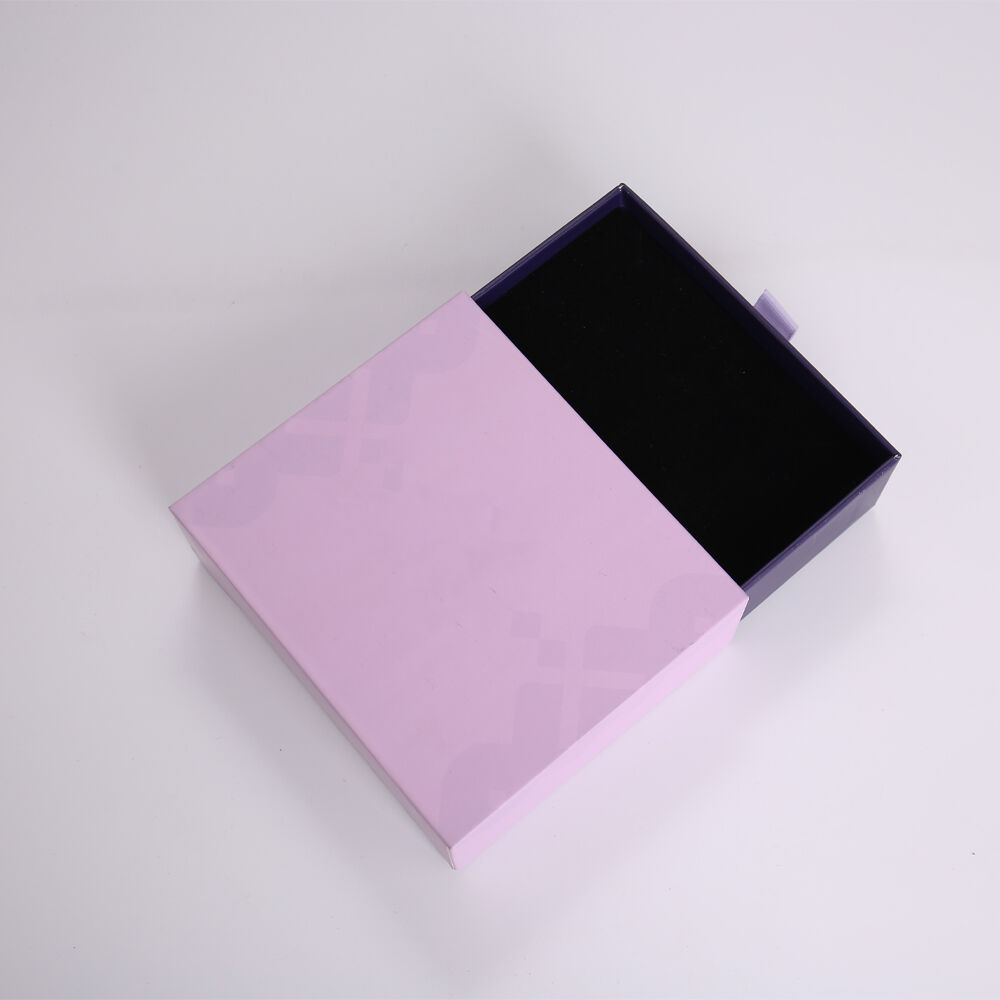
Selecting the right watch box requires careful consideration of multiple factors that directly impact both protection and presentation of valuable timepieces. A quality watch box serves as more than mere storage, functioning as a protective environment that preserves mechanical integrity while showcasing collections with sophistication. Understanding which features matter most helps collectors and enthusiasts make informed decisions that align with their specific storage requirements and long-term preservation goals.
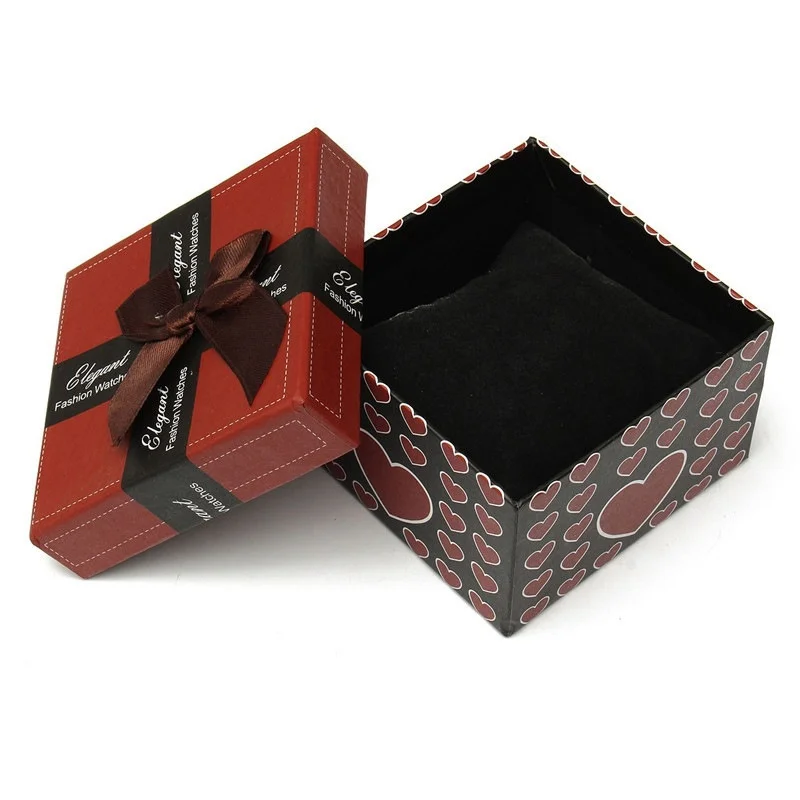
Material Construction and Durability Standards
Premium Wood Selection and Finishing
The foundation of any exceptional watch box begins with material selection, where premium hardwoods like mahogany, walnut, or cherry provide superior durability and aesthetic appeal. These materials resist warping, cracking, and environmental damage while maintaining structural integrity over decades of use. Professional finishing techniques including multiple lacquer coats create protective barriers against moisture, dust, and UV exposure that could potentially damage stored timepieces.
Quality watch box construction incorporates precise joinery methods such as dovetail corners or reinforced mitered joints that eliminate weak points where separation might occur. The finishing process extends beyond surface appearance to include interior treatments that prevent chemical interactions with metal watch components. Advanced finishing systems create uniform surfaces that resist scratches while maintaining the natural beauty of selected wood grains.
Alternative Materials and Modern Innovations
Contemporary watch box designs increasingly incorporate carbon fiber, aluminum, and engineered composites that offer unique advantages for specific applications. Carbon fiber construction provides exceptional strength-to-weight ratios while resisting temperature fluctuations that might affect watch accuracy. Aluminum housings deliver industrial durability with corrosion resistance, particularly valuable for travel applications or humid storage environments.
Hybrid construction approaches combine traditional materials with modern elements, creating watch boxes that blend classic aesthetics with enhanced functionality. These innovative designs might feature wooden exteriors with aluminum reinforcement plates or composite interiors with natural leather finishing. Such combinations optimize both visual appeal and practical performance while addressing specific storage challenges faced by serious collectors.
Interior Layout and Watch Accommodation
Compartment Design and Sizing Options
Effective watch box interior design accommodates various timepiece sizes while providing secure positioning that prevents movement during transport or storage. Individual compartments should offer adequate clearance for different case diameters, from compact dress watches to oversized sports chronographs. Adjustable dividers or removable cushions enhance versatility, allowing users to reconfigure storage layouts as collections evolve or specific requirements change.
Professional-grade watch box designs incorporate graduated compartment sizing that recognizes the diversity found in modern timepiece collections. Larger compartments accommodate complications like perpetual calendars or minute repeaters, while smaller sections efficiently house vintage pieces or ladies' watches. This thoughtful approach to spatial organization maximizes storage density while ensuring each timepiece receives appropriate protection and accessibility.
Cushioning Systems and Watch Support
The cushioning system within each compartment directly impacts long-term watch preservation by providing proper support while preventing stress on bracelets, straps, or case elements. Quality cushions maintain their shape over time, resisting compression that might reduce protective effectiveness. Materials like memory foam or specialized watch pillows conform to individual timepiece profiles while distributing weight evenly across contact points.
Advanced cushioning designs consider the specific requirements of different watch types, with removable or adjustable elements that accommodate both bracelet and leather strap configurations. Some systems include specialized features like crown protection or pusher clearance that prevent accidental activation of chronograph functions. These detailed considerations reflect the sophisticated understanding required for proper watch box design and implementation.
Security Features and Protection Systems
Locking Mechanisms and Access Control
Security considerations become paramount when storing valuable watch collections, making robust locking systems essential features for serious collectors. High-quality watch box designs incorporate precision lock mechanisms that resist tampering while providing smooth operation for authorized users. Multiple locking point systems distribute stress across closure mechanisms, preventing forced entry attempts that might damage both the container and its contents.
Advanced security features might include electronic locks with programmable access codes or biometric recognition systems that ensure only authorized individuals can access stored timepieces. These sophisticated systems integrate seamlessly with traditional watch box aesthetics while providing contemporary security capabilities. Battery backup systems and low-power operation ensure reliable function even during extended periods of non-use.
Environmental Protection and Climate Control
Moisture control represents a critical aspect of watch box functionality, as excessive humidity can cause movement corrosion, dial damage, or crystal fogging that compromises timepiece performance. Quality watch box designs incorporate humidity control systems using silica gel packets, cedar elements, or active moisture regulation that maintains optimal storage conditions. These systems prevent both excessive moisture accumulation and over-drying that might affect leather components or lubrication systems.
Temperature stability within the watch box environment prevents expansion and contraction cycles that might affect case sealing or movement regulation. Insulating properties of construction materials help buffer external temperature fluctuations while interior design promotes air circulation that prevents stagnant conditions. Some premium watch box models include active climate control systems with monitoring capabilities that alert users to environmental conditions requiring attention.
Aesthetic Design and Display Features
Visual Presentation and Collection Showcase
The presentation aspect of watch box design serves both practical and emotional functions, allowing collectors to appreciate their timepieces while maintaining organized storage. Transparent viewing panels or removable lids enable visual access without compromising protection, while interior lighting systems illuminate individual watches to highlight design details and craftsmanship. These features transform functional storage into attractive display that enhances the ownership experience.
Strategic use of contrasting materials, colors, and textures creates visual interest while directing attention toward stored timepieces rather than the container itself. Neutral interior colors like cream, gray, or black provide appropriate backgrounds that complement various watch designs without creating visual competition. Subtle branding or personalization elements can enhance aesthetic appeal without overwhelming the primary focus on the watch collection.
Customization Options and Personal Expression
Personalization capabilities allow watch box owners to create storage solutions that reflect individual preferences while accommodating specific collection requirements. Custom engraving, monogramming, or color selection enables personal expression while maintaining professional appearance standards. These customization options extend beyond surface decoration to include functional modifications like compartment reconfiguration or specialized holder designs for unique timepieces.
Modular watch box systems offer ultimate flexibility by allowing users to combine different components or expand storage capacity as collections grow. These systems maintain aesthetic coherence while providing practical scalability that adapts to changing needs. Integration capabilities with existing furniture or storage systems create seamless incorporation into personal environments while preserving dedicated watch storage functionality.
Portability and Travel Considerations
Transport-Friendly Design Elements
Travel watch box designs must balance protection requirements with portability constraints, creating compact solutions that safeguard valuable timepieces during transport. Reinforced construction, secure closure systems, and shock-absorbing materials become essential for mobile applications where external impacts pose greater risks. Lightweight materials and efficient space utilization help minimize travel burden while maintaining protective effectiveness.
Professional travel watch box designs incorporate features like carrying handles, shoulder straps, or integration with luggage systems that facilitate convenient transport. Security considerations for travel applications might include discrete appearance, hidden compartments, or attachment systems that prevent theft during transit. These specialized features address unique challenges faced by collectors who require secure watch transport capabilities.
Size Optimization and Capacity Planning
Determining appropriate watch box size requires careful consideration of current collection size, anticipated growth, and available storage space. Oversized containers waste space and may allow excessive movement that reduces protection effectiveness, while undersized boxes limit collection expansion and might create overcrowding that increases damage risk. Strategic capacity planning ensures optimal utilization while providing room for future acquisitions.
Modular or expandable watch box designs offer solutions for uncertain capacity requirements by allowing systematic growth that maintains organizational coherence. These systems enable collectors to start with appropriate initial capacity while preserving options for future expansion without requiring complete replacement. Such flexibility represents intelligent investment in long-term storage solutions that adapt to evolving needs.
Maintenance and Long-Term Care
Cleaning and Preservation Protocols
Proper watch box maintenance ensures continued protection effectiveness while preserving aesthetic appearance throughout extended service life. Regular cleaning protocols should address both exterior surfaces and interior compartments using appropriate materials that won't damage finishes or contaminate storage environments. Specialized cleaning products designed for specific materials prevent inadvertent damage while maintaining optimal appearance standards.
Interior maintenance focuses on cushion condition, moisture control system effectiveness, and mechanical component lubrication where applicable. Periodic replacement of consumable elements like silica gel packets or cushioning materials ensures continued protective performance. Documentation of maintenance activities helps track system condition while identifying patterns that might indicate required adjustments or upgrades.
Longevity Factors and Investment Protection
Quality watch box construction represents a long-term investment that should provide decades of reliable service when properly maintained. Understanding factors that affect longevity helps users make informed decisions about care protocols and usage patterns that maximize service life. Environmental factors, usage frequency, and maintenance quality all influence long-term performance and appearance retention.
Investment protection considerations extend beyond initial purchase price to include ongoing maintenance costs, replacement part availability, and service support from manufacturers. Premium watch box brands often provide comprehensive support services including restoration, component replacement, and upgrade options that preserve investment value while extending useful service life. These factors contribute to total cost of ownership calculations that inform purchasing decisions.
FAQ
What size watch box should I choose for my collection
Selecting appropriate watch box size depends on your current collection size plus anticipated growth over the next few years. Most collectors benefit from choosing capacity approximately 50% larger than their current needs, allowing room for new acquisitions without overcrowding existing pieces. Consider both the number of watches and their individual sizes, as larger timepieces require more space and may limit overall capacity in standard configurations.
How important are humidity control features in a watch box
Humidity control features are essential for long-term watch preservation, particularly in climates with significant moisture variations or for mechanical timepieces sensitive to environmental conditions. Proper humidity management prevents movement corrosion, dial damage, and crystal fogging while maintaining optimal lubrication conditions. Even basic moisture control systems using silica gel provide significant benefits compared to uncontrolled storage environments.
Can I safely store different types of watches together in one watch box
Different watch types can be safely stored together provided each timepiece has adequate individual protection and appropriate cushioning support. However, valuable mechanical watches should be separated from fashion pieces or electronics that might pose contamination risks. Consider material compatibility, particularly avoiding direct contact between different metals that might cause galvanic reactions or surface damage over extended periods.
What maintenance does a quality watch box typically require
Regular watch box maintenance includes periodic cleaning of interior and exterior surfaces, replacement of moisture control elements, and inspection of mechanical components like locks or hinges. Most quality boxes require minimal maintenance beyond occasional cleaning and cushion rotation or replacement every few years. Professional servicing might be beneficial for boxes with complex climate control or security systems to ensure continued optimal performance.