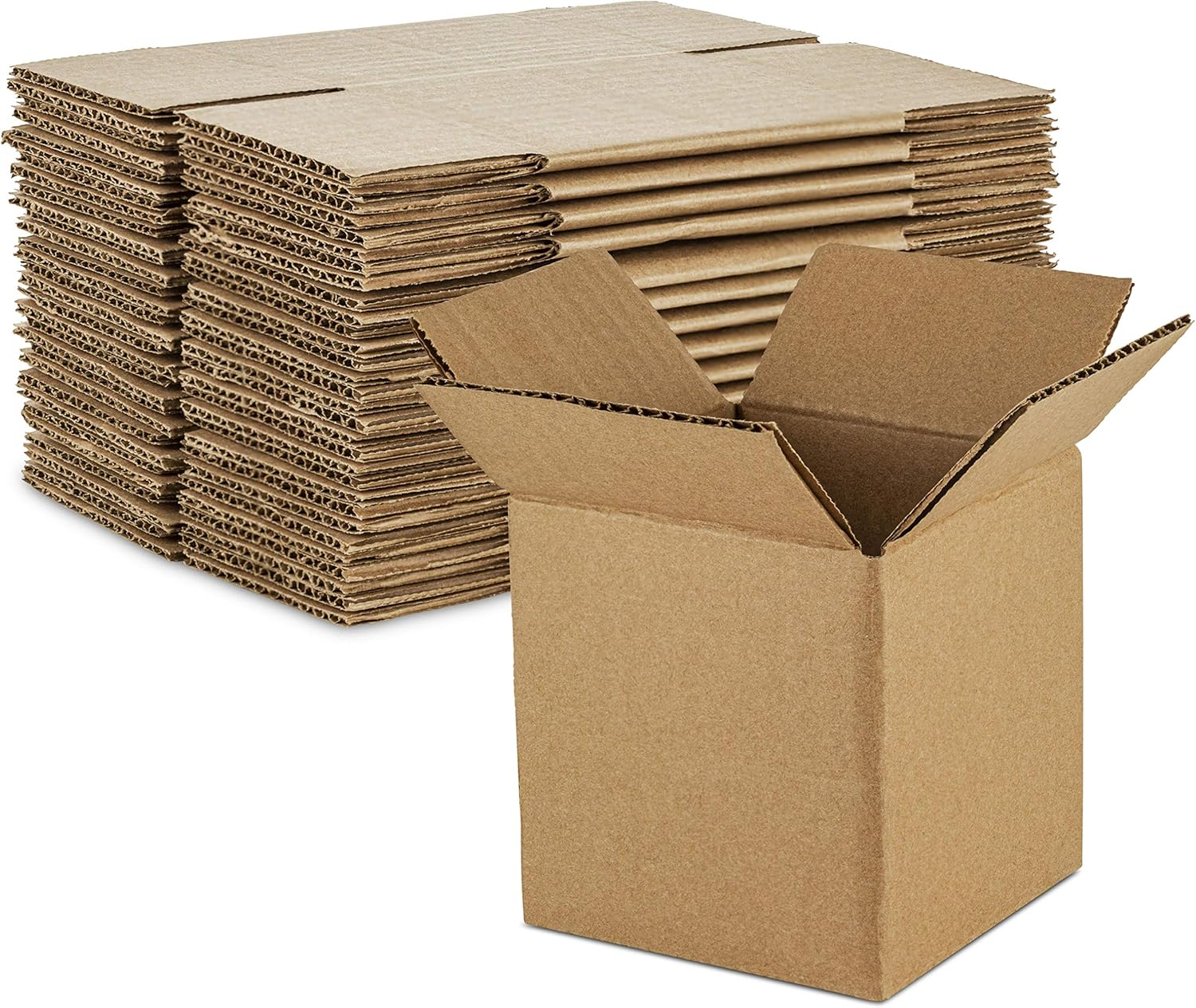
Premium Corrugated Package Solutions - Sustainable, Protective, and Cost-Effective Packaging

Get a Free Quote

Our representative will contact you soon.
Email
Mobile
Name
Company Name
Message
0/1000

corrugated package

The corrugated package represents a revolutionary packaging solution that has transformed modern shipping and storage industries through its innovative design and exceptional functionality. This sophisticated packaging system consists of multiple layers of paperboard, featuring a distinctive fluted or ridged structure sandwiched between flat linerboards, creating an incredibly strong yet lightweight container. The corrugated package serves as the backbone of global commerce, protecting billions of products during transportation and storage while maintaining cost-effectiveness and environmental responsibility. Its primary functions encompass product protection, structural integrity maintenance, and efficient space utilization throughout the supply chain. The technological features of corrugated packages include advanced manufacturing processes that create precise flute formations, optimized adhesive applications, and customizable structural configurations. These packages utilize various flute sizes, ranging from micro-flutes for retail packaging to heavy-duty options for industrial applications. The manufacturing process incorporates state-of-the-art corrugating machines that heat, shape, and bond multiple paper layers simultaneously, ensuring consistent quality and performance standards. Modern corrugated packages often integrate smart design elements such as easy-open features, tamper-evident seals, and stackability enhancements. Applications for corrugated packages span virtually every industry, from e-commerce and retail to automotive and electronics manufacturing. These versatile containers protect fragile electronics during shipping, secure food products in distribution centers, and organize inventory in warehouses worldwide. The pharmaceutical industry relies heavily on corrugated packages for temperature-sensitive medications, while the automotive sector uses them for parts distribution and assembly line organization. Agricultural businesses depend on corrugated packages for fresh produce transportation, ensuring products reach consumers in optimal condition. The adaptability of corrugated packages allows manufacturers to create custom sizes, shapes, and configurations that meet specific product requirements, making them indispensable across diverse market segments and applications.

New Product Recommendations

Corrugated packages deliver exceptional value through their remarkable combination of strength, affordability, and environmental sustainability that surpasses traditional packaging alternatives. The structural design of corrugated packages provides superior cushioning and impact resistance, protecting products from damage during handling, transportation, and storage processes. This protective capability significantly reduces product loss and replacement costs, directly improving business profitability and customer satisfaction rates. The lightweight nature of corrugated packages minimizes shipping expenses while maintaining robust protection standards, creating substantial cost savings for businesses of all sizes. Manufacturing corrugated packages requires significantly less energy compared to plastic or metal alternatives, resulting in lower production costs and reduced environmental impact. The recycling rate for corrugated packages exceeds 90 percent globally, making them one of the most environmentally responsible packaging choices available in today's market. Businesses can easily customize corrugated packages to accommodate specific product dimensions, branding requirements, and functional needs without expensive tooling or setup costs. The versatility of corrugated packages allows for rapid design modifications and prototype development, enabling companies to respond quickly to market demands and seasonal variations. Storage efficiency represents another significant advantage, as flat corrugated package blanks occupy minimal warehouse space until assembly, reducing inventory holding costs and improving operational efficiency. The biodegradable nature of corrugated packages eliminates long-term waste disposal concerns and supports corporate sustainability initiatives. Assembly processes for corrugated packages require minimal training and equipment, allowing businesses to maintain packaging operations with existing workforce resources. The printability of corrugated packages enables high-quality graphics and branding opportunities that enhance product presentation and marketing effectiveness. Temperature resistance and moisture barrier properties can be enhanced through specialized coatings and treatments, expanding application possibilities across various industries and climate conditions. The standardized sizing options for corrugated packages facilitate efficient logistics planning and automated handling systems integration. Quality control measures during corrugated package manufacturing ensure consistent performance characteristics and reliable protection levels. The cost-effectiveness of corrugated packages makes premium packaging accessible to small businesses while providing enterprise-level solutions for large corporations.

Practical Tips

Applications of Paper Gift Boxes in Different Festivals

14

Jul

Applications of Paper Gift Boxes in Different Festivals

Gifting has always played a central role in cultural and religious celebrations. Whether it's Christmas, Lunar New Year, Diwali, or Valentine's Day, exchanging presents strengthens relationships and creates moments of joy. While the gift itself hold...
View More
How to Use Paper Gift Boxes for Brand Promotion?

14

Jul

How to Use Paper Gift Boxes for Brand Promotion?

In today’s competitive marketplace, packaging is far more than a protective shell—it's an extension of brand identity. Whether you’re a boutique, an e-commerce retailer, or a multinational brand, using paper gift boxes strategicall...
View More
What is the best material for package insert?

17

Sep

What is the best material for package insert?

The Importance of the Inner Liner in the Box When designing packaging for products, choosing the right inner lining material is essential to ensure the product remains intact during drop tests and is presented to customers in the most appealing way....
View More
【Jinayon - Materials and Processes Section】How to Choose Corrugated Box : A-Flute, B-Flute, C-Flute, E-Flute, F-Flute ?

18

Nov

【Jinayon - Materials and Processes Section】How to Choose Corrugated Box : A-Flute, B-Flute, C-Flute, E-Flute, F-Flute ?

Introduction Corrugated boxes are widely used in the packaging industry. The performance of a box primarily depends on the corrugation, the corrugated core paper sandwiched between the linerboards. It determines the box's strength, cushioning perform...
View More

Get a Free Quote

Our representative will contact you soon.
Email
Mobile
Name
Company Name
Message
0/1000

corrugated package

Superior Structural Integrity and Protection Performance

Superior Structural Integrity and Protection Performance

The engineering excellence behind corrugated packages lies in their unique multi-layer construction that delivers unmatched protective performance across diverse application scenarios. The fluted core structure acts as a sophisticated shock absorption system, distributing impact forces evenly throughout the package walls and preventing concentrated stress points that could compromise product safety. This advanced structural design enables corrugated packages to withstand stacking weights up to 32 times their own weight, making them ideal for high-density storage environments and multi-tier transportation systems. The corrugated package construction utilizes precise adhesive bonding techniques that create permanent molecular bonds between paper layers, ensuring structural integrity remains intact even under extreme temperature variations and humidity fluctuations. Edge crush strength testing demonstrates that properly manufactured corrugated packages maintain their protective capabilities throughout extended storage periods and multiple handling cycles. The cellular structure within corrugated packages provides excellent thermal insulation properties, protecting temperature-sensitive products from environmental variations during transportation and storage. Puncture resistance capabilities of corrugated packages significantly exceed those of single-wall alternatives, preventing sharp objects from penetrating the package walls and damaging enclosed products. The compressive strength characteristics allow corrugated packages to maintain their shape and protective properties even when subjected to external pressures from automated sorting equipment and conveyor systems. Vibration dampening properties inherent in corrugated package design reduce product movement during transportation, minimizing the risk of internal damage caused by shifting or collision between items. Quality assurance protocols for corrugated packages include rigorous testing procedures that verify burst strength, edge crush performance, and moisture resistance under simulated real-world conditions. The modular design principles of corrugated packages enable the creation of internal compartments and protective inserts that provide customized protection for specific product configurations. Advanced corrugated package designs incorporate reinforcement features such as double-wall construction and corner strengthening that enhance overall structural performance without significantly increasing material costs or package weight.
Environmental Sustainability and Circular Economy Integration

Environmental Sustainability and Circular Economy Integration

Corrugated packages represent the pinnacle of sustainable packaging solutions, seamlessly integrating into circular economy principles while delivering exceptional environmental benefits that address growing global concerns about packaging waste and resource conservation. The production process for corrugated packages utilizes renewable fiber sources, with over 70 percent of raw materials sourced from recycled paper content, creating a closed-loop system that minimizes virgin material consumption and reduces deforestation pressure. The manufacturing energy requirements for corrugated packages are substantially lower than alternative packaging materials, with production facilities increasingly powered by renewable energy sources such as biomass and solar power systems. Water usage in corrugated package production has decreased by 35 percent over the past decade through advanced processing techniques and closed-loop water recycling systems that minimize environmental impact. The biodegradation timeline for corrugated packages ranges from 2-3 months in composting environments, compared to hundreds of years for plastic alternatives, ensuring minimal long-term environmental footprint. Carbon footprint analysis reveals that corrugated packages generate 75 percent fewer greenhouse gas emissions during production and disposal compared to plastic packaging alternatives of equivalent protective capability. The recycling infrastructure for corrugated packages is well-established globally, with collection systems integrated into municipal waste management programs and commercial recycling operations. Post-consumer corrugated packages are efficiently processed into new packaging materials, creating a sustainable supply chain that reduces dependency on virgin fiber sources. The compostability of corrugated packages enables safe disposal in organic waste streams, contributing valuable carbon content to soil improvement processes without introducing harmful chemicals or microplastics. Forest certification programs ensure that virgin fiber used in corrugated package production originates from responsibly managed forests that maintain biodiversity and ecological balance. Life cycle assessment studies consistently demonstrate that corrugated packages achieve superior environmental performance across all impact categories, including resource depletion, ecosystem damage, and human health effects. The lightweight design of corrugated packages reduces transportation fuel consumption and associated emissions, contributing to overall supply chain sustainability improvements. Innovative recycling technologies continue to improve the quality and efficiency of corrugated package material recovery, enabling multiple recycling cycles without significant performance degradation.
Cost-Effectiveness and Operational Efficiency Excellence

Cost-Effectiveness and Operational Efficiency Excellence

The economic advantages of corrugated packages extend far beyond initial purchase costs, delivering comprehensive operational efficiency improvements that generate substantial long-term savings and competitive advantages for businesses across all industry sectors. Raw material costs for corrugated packages remain consistently stable due to the abundant availability of recycled paper sources and efficient manufacturing processes that minimize waste generation during production. The standardized manufacturing processes for corrugated packages enable economies of scale that reduce per-unit costs while maintaining consistent quality standards across large production volumes. Inventory management benefits of corrugated packages include space-efficient storage of flat blanks that can be assembled on-demand, reducing warehouse space requirements and inventory holding costs by up to 40 percent compared to pre-formed alternatives. Labor costs associated with corrugated package assembly and preparation are minimal due to user-friendly designs that require no specialized tools or extensive training programs for personnel. Shipping cost optimization occurs naturally with corrugated packages due to their lightweight construction and space-efficient designs that maximize cargo capacity utilization and reduce dimensional weight charges. The durability of corrugated packages eliminates the need for additional protective materials such as bubble wrap or foam inserts, reducing total packaging costs while maintaining superior product protection levels. Automation compatibility of corrugated packages enables seamless integration with mechanized packaging lines and robotic handling systems, reducing labor requirements and increasing throughput capacity. Quality control costs are minimized through consistent manufacturing processes that produce uniform package characteristics and predictable performance parameters. The versatility of corrugated packages eliminates the need for multiple packaging types within single operations, simplifying procurement processes and reducing inventory complexity. Damage reduction capabilities of corrugated packages translate directly into decreased product replacement costs, insurance premiums, and customer service expenses. Return on investment calculations consistently demonstrate that corrugated package implementations achieve payback periods of less than six months through combined savings in materials, labor, and damage prevention. Scalability advantages allow businesses to adjust corrugated package volumes quickly in response to seasonal demands or market fluctuations without significant capital investments or long-term commitments. The predictable cost structure of corrugated packages facilitates accurate budget planning and enables fixed-price customer quotations with confidence in maintaining profit margins throughout contract periods.

Get a Free Quote

Our representative will contact you soon.
Email
Mobile
Name
Company Name
Message
0/1000